Pelvic Floor Problems May Involve Tension, Not Just Weakness
Experts say tight muscles can mimic weakness, and strengthening exercises may aggravate symptoms for some people.
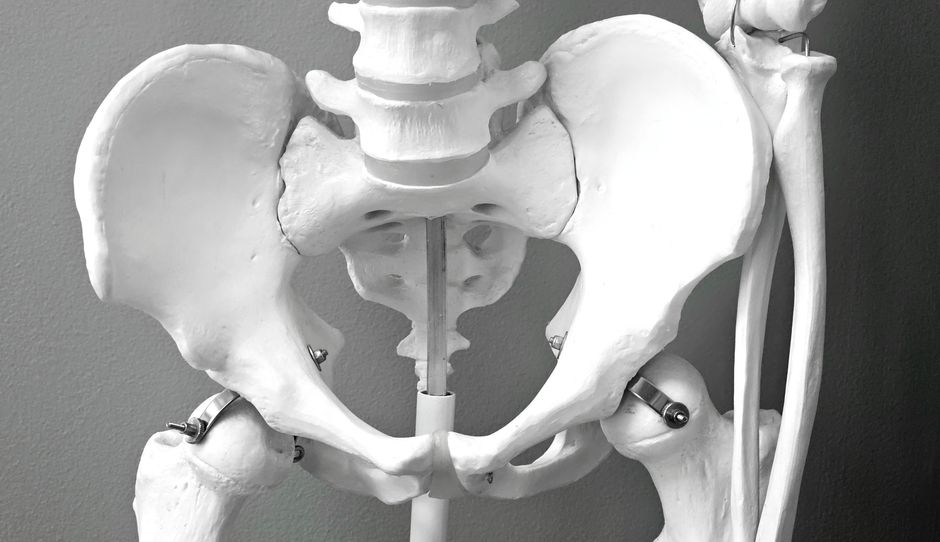
Pelvic floor symptoms do not always mean the muscles need more strengthening. A persistently tense pelvic floor can contribute to pain, trouble starting urination, difficulty passing stool, or other bathroom changes. Sara Reardon, a pelvic floor physical therapist, says tension is the main issue for about half of the patients with pelvic floor concerns who visit her clinic. In those cases, repeated Kegels may fail to help and can sometimes increase discomfort by adding more muscle tension.
Weakness can show up as urine leakage, vaginal pressure, heaviness, or a bulge that becomes more noticeable during exercise, lifting, or bowel movements. Age-related muscle changes and lower estrogen after menopause can reduce support, while childbirth, higher body weight, heavy physical work, and high-impact activities are also listed as risk factors. A tight pelvic floor, meanwhile, may follow experiences such as infection, childbirth, or sexual, emotional, or medical trauma.
The two patterns can overlap, and one may contribute to the other. For example, leakage or prolapse may prompt someone to clench their muscles, while tension that makes urination difficult can lead to straining and later weakness. Identifying which pattern is involved matters because the appropriate approach may differ.
- Tension is reported in about half of one therapist’s pelvic floor patients.
- Weakness may cause leakage, heaviness, or a vaginal bulge.
- Symptoms can reflect both tightness and weakness at once.
Summarized from the reporting above. Read it for the full story.

Our one-page guide to chair height, screen height and where your feet go. Free at the front desk or by request.
A five-minute check of your everyday posture at your desk, in the car, and on your feet. No obligation, no pressure.
Reserve a spot →

Share this story