Hamstring strains can build slowly during a run
Fatigued glutes may shift more work to the hamstrings, creating pain that develops over time.
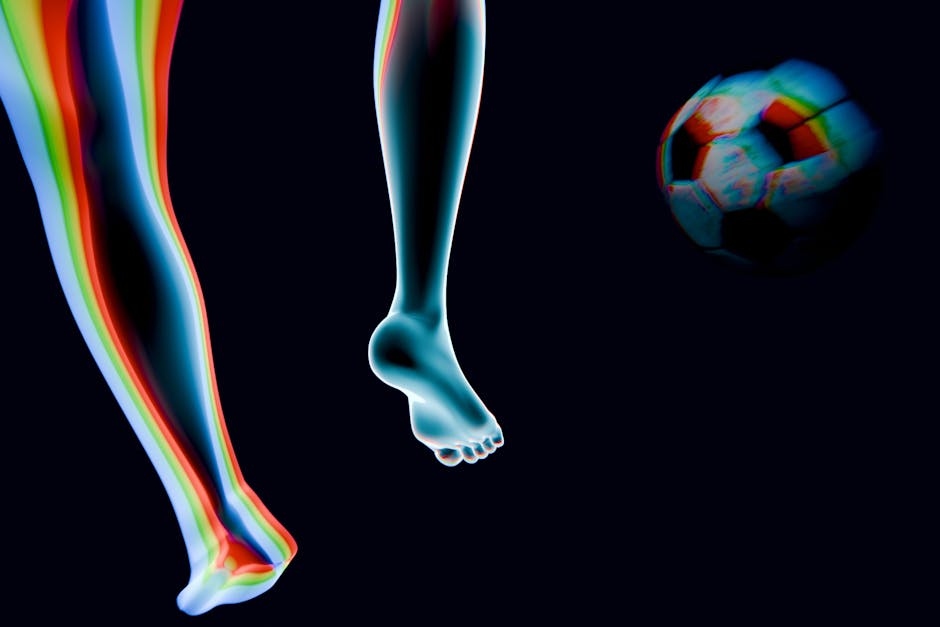
Hamstring strains can strike abruptly or creep in as a runner tires and the muscles absorb more work. The sudden form may feel like a forceful hit to the rear thigh and can make continuing—even walking—too difficult. The slower pattern can emerge when the gluteus maximus no longer produces enough force, leaving the hamstrings to carry extra demand. Either type can cut speed and disrupt training, even when the discomfort is not dramatic.
Pain patterns during a run and afterward can help shape the response. Some signs may point to the spine instead of the hamstring and warrant assessment by a physician. Physical therapist Winnie Yu cautions that stretching soon after a strain may delay healing, despite the urge to loosen the area. At first, rehabilitation centers on light muscle engagement and gradual strength work.
Exercises from rehab can later support prevention. The guide highlights strength across the hamstrings, glutes, quadriceps, and the rest of the lower body, together with mobility around demanding sessions, a prerun warmup, and a cooldown. Hosted by Yu with contributions from medical experts, the program covers recognizing injuries, understanding their possible sources, adjusting training safely, and identifying when medical care is appropriate. Runner’s World+ membership is required for access. Its debut date is October 6.
- Two strain patterns are described: sudden and fatigue-related.
- John Vasudevan, MD, explains how tired glutes can shift the workload.
- Early rehabilitation emphasizes controlled hamstring engagement and strength.
- The injury program becomes available October 6.
Summarized from the reporting above. Read it for the full story.

Our one-page guide to chair height, screen height and where your feet go. Free at the front desk or by request.
A five-minute check of your everyday posture at your desk, in the car, and on your feet. No obligation, no pressure.
Reserve a spot →

Share this story