Choosing How to Carry Water on Long Runs
A runner-tested comparison looks at several ways to bring hydration along.
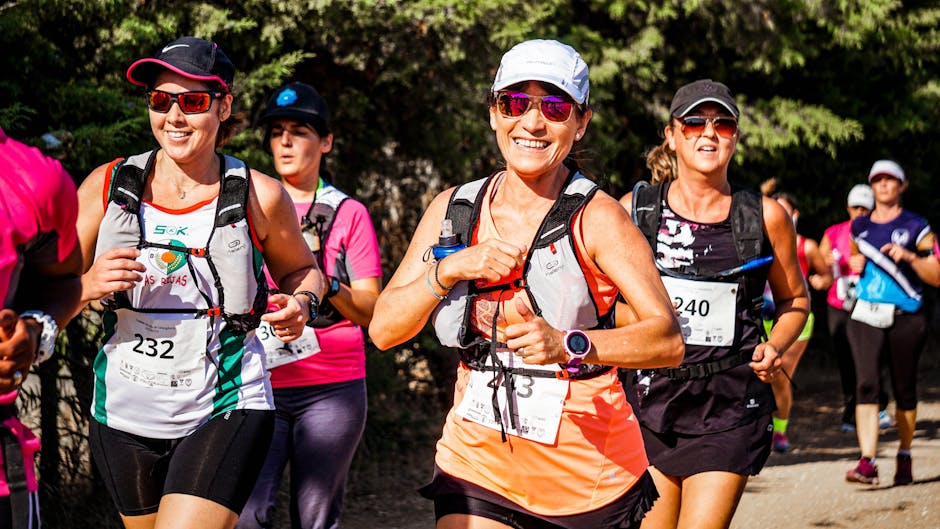
Longer runs bring a practical question: where will the water go? The comparison tested hand-held bottles, vests, and packs across outings ranging from 8 to 22 miles, including an 18-mile race-training plan. Hydration needs vary with body size, activity, and outdoor temperature; the cited daily guideline is 3.7 liters for men, or roughly 100 ounces from beverages.
A 500 mL HydraPak bottle was inexpensive and simple, but holding it changed arm movement and caused a hand to fall asleep around mile 5 during testing. Vests offered free hands and room for food, keys, or a phone, though movement depended heavily on design, fit, liquid volume, and pace. The Nathan AeroZip Race Vest 1L stayed relatively steady after adjustment, while an incorrectly sized Nathan Pinnacle Featherlight 1.5L caused bouncing, irritation, chafing, and slight bruising on a 16-mile run.
For deeper outings on the Batona Trail, the Nathan QuickStart 3.0 4L provided substantial storage and a 1.5-liter bladder. It moved more when full, then settled as water was consumed; its chest-buckle adjustment also needed repositioning. Across the testing, the main differences were comfort, arm freedom, bounce, storage, and how much the setup interfered with a runner’s natural stride. The least disruptive option depended on the individual runner and the fit of the equipment.
- Testing covered runs from 8 to 22 miles.
- The daily guideline cited is 3.7 liters for men.
- The HydraPak bottle held 500 mL.
- The QuickStart pack used a 1.5-liter bladder.
- The 16-mile test exposed problems with an oversized vest.
Summarized from the reporting above. Read it for the full story.

Our one-page guide to chair height, screen height and where your feet go. Free at the front desk or by request.
A first consultation is free for new patients, including a take-home handout of that day's stretches.
Book a first visit →
Share this story