Bedroom Habits May Affect Heart Health
Women’s Health says simple changes could help improve the bedroom environment.
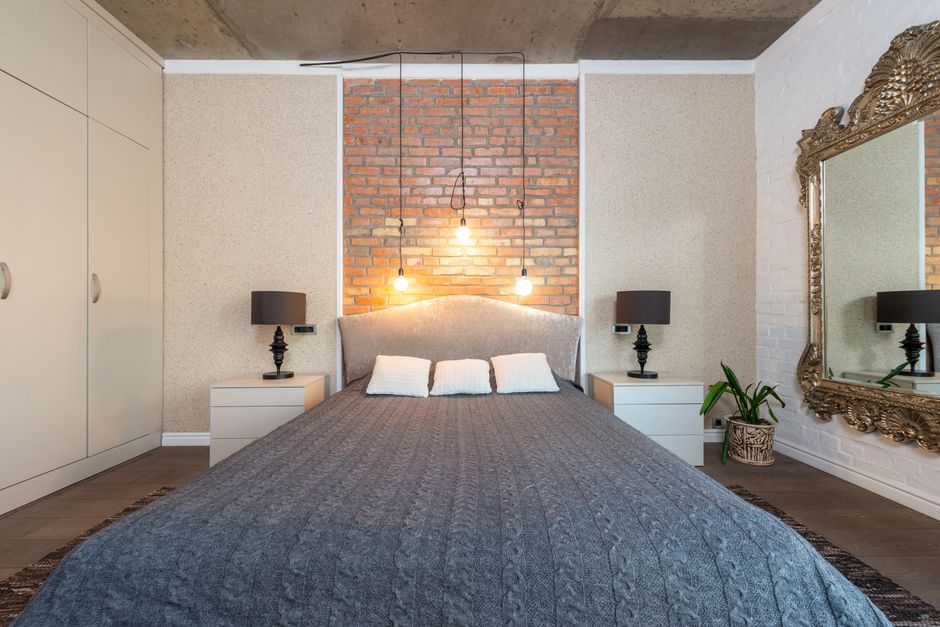
Nighttime brightness in the bedroom may be connected with changes in the heart, according to research involving 11,071 UK Biobank participants. Each person wore a wrist-mounted light sensor for seven days so researchers could measure overnight exposure from sources such as night lights, illuminated hallways and street lighting outside a window.
Three years later, participants underwent cardiac MRI scans. Researchers compared people exposed to at least three lux overnight—roughly the brightness of strong moonlight or light entering beneath a door—with those who experienced almost complete darkness. In the higher-exposure group, the wall of the heart’s left ventricle was thicker, leaving less room within the chamber. Their heart muscle also showed less flexibility as it beat, a possible early indication of reduced efficiency.
The findings show an association, not proof that nighttime light produces these changes. Doctors said light can tell the brain to wake, potentially disrupting the circadian rhythm involved in sleep, blood pressure and metabolism. Over time, disrupted rhythms and poor sleep may contribute to high blood pressure, obesity and diabetes. Healthy sleep generally allows heart rate and blood pressure to fall, helping the cardiovascular system recover from daytime demands. Keeping the bedroom cool and dark, including limiting unnecessary light, may make the space more supportive of adequate sleep. Most people should aim for at least seven hours nightly, though further research is needed to understand what drives the observed connection.
- The study included 11,071 UK Biobank participants.
- Participants wore wrist light sensors for seven days.
- Cardiac MRI scans followed three years later.
- Higher exposure began at three lux of nighttime light.
- Most people should aim for at least seven hours of sleep.
Summarized from the reporting above. Read it for the full story.
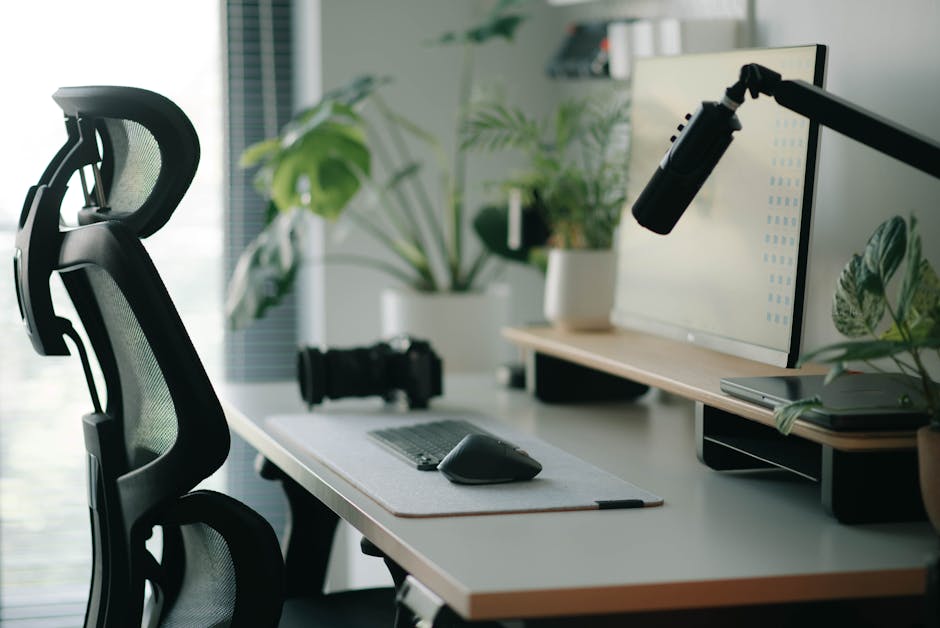
Our one-page guide to chair height, screen height and where your feet go. Free at the front desk or by request.
A five-minute check of your everyday posture at your desk, in the car, and on your feet. No obligation, no pressure.
Reserve a spot →

Share this story