At 50, Pneumococcal Vaccine Becomes More Important
Aging can weaken immune defenses and lung function, increasing the danger from a serious bacterial infection.
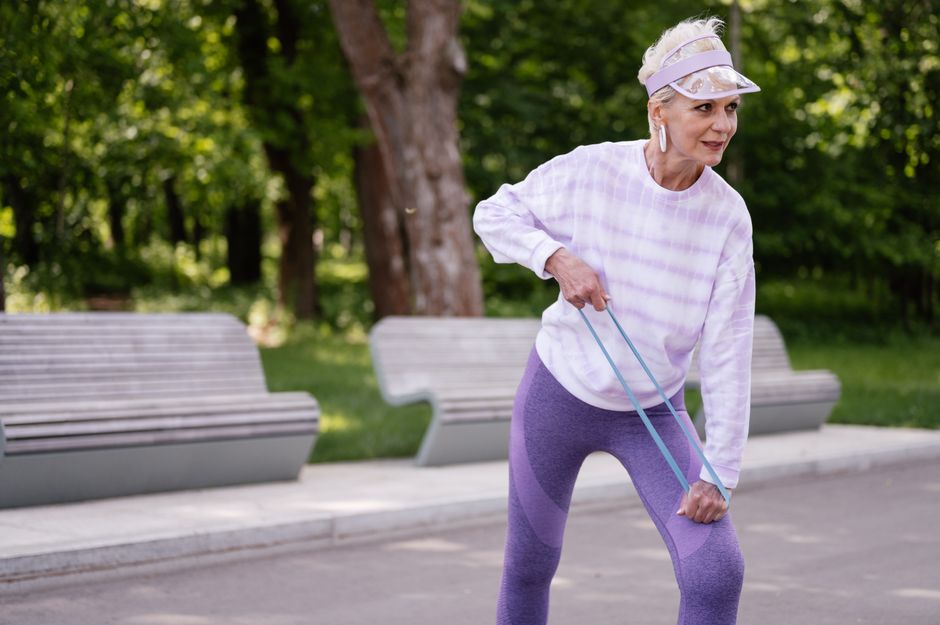
Around age 50, the body’s defenses begin to respond less effectively to unfamiliar germs. The lungs also become less springy and may move oxygen into the blood less efficiently. Together, those shifts can make respiratory infections harder to handle, even for people who feel healthy and active.
Pneumococcal pneumonia is a bacterial infection that can develop quickly and become severe enough to require hospital care. Adults 50 and older face more than six times the risk seen among adults ages 18 to 49. Asthma, diabetes, chronic lung disease, and chronic heart disease can raise the danger further. Possible consequences include reduced breathing capacity, strain on the heart, and lower exercise ability.
The article identifies pneumococcal vaccination as a key preventive measure for adults 50 and up. One dose can help guard against this illness. Vaccination is also recommended for adults ages 19 to 49 who have certain underlying conditions. Sleep, nutritious food, regular physical activity, and stress management are also described as part of supporting immune health.
- The vaccine is recommended starting at age 50.
- Adults 50 and older face more than six times the risk.
- Some adults ages 19 to 49 also qualify because of health conditions.
- Severe cases can require hospitalization.
Summarized from the reporting above. Read it for the full story.

Our one-page guide to chair height, screen height and where your feet go. Free at the front desk or by request.
A first consultation is free for new patients, including a take-home handout of that day's stretches.
Book a first visit →

Share this story