VO2 Max Explained for Runners as They Age
The Runner’s World guide explains how this performance measure relates to age.

VO₂ max describes the greatest volume of oxygen the body can inhale, deliver to working muscles, and use during maximal aerobic effort. Reported in ml/kg/min, it helps indicate cardiovascular fitness and endurance potential. The most precise assessment takes place in a laboratory, where a specialized mask tracks oxygen intake and carbon dioxide output as exercise becomes progressively harder for 12 to 15 minutes. Fitness trackers can provide estimates, but wearable readings may miss the mark by as much as 10 percent in either direction.
Scores typically reach their high point during the mid-to-late 20s for men and the early 30s for women, then begin falling. Some research places the average reduction after age 30 near 10 percent, particularly among males. A 2024 Experimental Gerontology study found a steeper age-related change among female runners than sedentary women, although the active group still recorded better VO₂ max. Contributing factors include lower maximal heart rate, reduced blood flow, declining cardiac output, and sarcopenia. Losing muscle also means fewer capillaries and mitochondria available to move oxygen and convert it into energy.
Regular activity can slow the loss. Easy and steady running supports the production of capillaries and mitochondria, while harder exercise can enlarge mitochondria but requires more recovery. Buckingham favors an 80/20 balance: 80 percent at low intensity and 20 percent at higher intensity. Strength work also helps preserve the muscle tissue involved in oxygen use. The metric may matter beyond running performance: one Journal of the American College of Cardiology study tracked over 5,000 men across 46 years and linked greater cardiorespiratory fitness, determined through VO₂ max, with longer life.
- Laboratory testing lasts 12 to 15 minutes.
- Wearable estimates may differ by up to 10 percent.
- Average decline after age 30 is around 10 percent.
- The suggested training balance is 80 percent easy and 20 percent harder.
Summarized from the reporting above. Read it for the full story.

Our one-page guide to chair height, screen height and where your feet go. Free at the front desk or by request.
A five-minute check of your everyday posture at your desk, in the car, and on your feet. No obligation, no pressure.
Reserve a spot →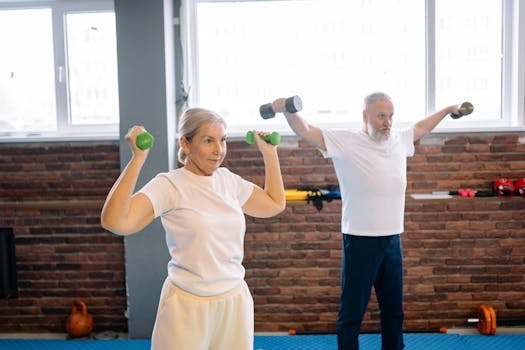
Share this story