A Beginner’s Guide to Counting Macros
Experts explain how to approach macro counting correctly.
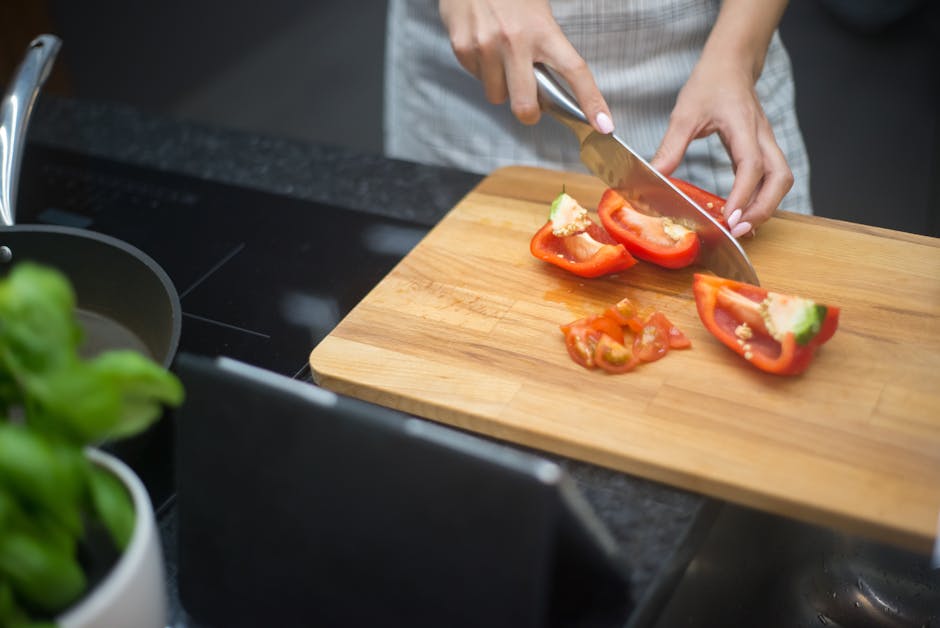
Macro tracking looks beyond total calories by showing how food intake is divided among carbohydrates, protein, and fat. Diala Alatassi, MD, says it can suit goals ranging from weight loss and body recomposition to athletic performance, bodybuilding, or simply following a structured eating pattern. Jessica Crandall Snyder, RDN, notes that the approach allows flexibility because it does not automatically exclude particular foods.
Each macronutrient serves a different role. Carbohydrates are converted into glucose, with some stored in the liver and muscles as glycogen to support demanding exercise. They also contribute to concentration, brain activity, and mood regulation. Protein supports lean muscle, helps move oxygen through the body as part of hemoglobin, and can prolong fullness by slowing digestion. Fat contributes to healthy cell membranes, brain and nerve activity, and the absorption of vitamins A, D, E, and K. Its slower digestion can also steady blood glucose and help manage hunger.
For general health, Dr. Alatassi gives adults percentage ranges of 45–65 for carbohydrates, 25–35 for protein, and 20–35 for fat. Someone targeting weight loss may place protein near 35 percent, or as high as 40 percent, while adjusting the other two categories to remain within the chosen calorie target. Needs differ with activity, lifestyle, food restrictions, preferences, goals, and health conditions. Tracking also requires planning and calculation. Targets set too low may contribute to fatigue, brain fog, or nutrient deficiencies, while extreme tracking can become rigid, obsessive, stressful, or disconnected from hunger signals.
- General range: carbohydrates 45–65 percent of calories.
- General range: protein 25–35 percent of calories.
- General range: fat 20–35 percent of calories.
- For weight loss, protein may reach 35–40 percent.
- A 2,000-calorie example uses 250g carbohydrates, 150g protein, and 44g fat.
Summarized from the reporting above. Read it for the full story.

Our one-page guide to chair height, screen height and where your feet go. Free at the front desk or by request.
A first consultation is free for new patients, including a take-home handout of that day's stretches.
Book a first visit →
Share this story