Southwest Airlines Changes Its Seating Model
Assigned seating marks a significant shift in the carrier’s operating model.
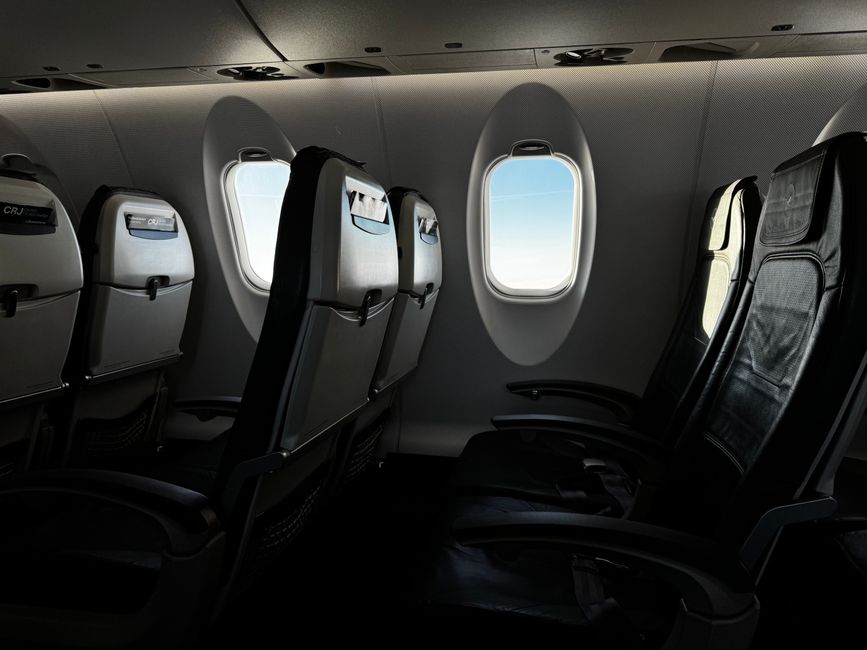
A defining policy ends
Southwest Airlines has retired a practice that shaped its identity for more than five decades. Beginning January 27, 2026, the Dallas-based carrier started giving passengers specific seats throughout its network, closing the book on a 54-year open-seating policy. The transition brings the airline closer to the model commonly used elsewhere in the US airline industry.
Under the former approach, customers received places in the boarding order rather than reserved seats. Once aboard one of Southwest Airlines’ Boeing 737 aircraft, they chose from whatever remained available. Many regular customers viewed that freedom as part of the carrier’s appeal, giving the trip a less structured feel than flying with competitors.
Every traveler now has a seat assignment, and boarding has been reorganized into eight groups. The redesigned process changes both advance planning and the experience at the airport, although familiar behavior has lingered at gates during the first months. Routines developed under the earlier system have not vanished as quickly as the policy itself.
How travelers choose seats
Seat selection depends partly on the fare purchased. Customers with eligible tickets may pick their places, while travelers buying Basic can be assigned seats when they check in. Higher-priced fares, qualifying credit cards and eligible status can provide more favorable treatment within the new structure.
The airline’s current fare lineup consists of Basic, Choice, Choice Preferred and Choice Extra. Benefits increase as travelers move up that ladder. At the top, Choice Extra pairs priority boarding with a seat offering additional legroom. The cabin therefore becomes part of the fare hierarchy, rather than remaining a largely uniform product in which boarding position determined access to preferred spots.
The change also removes some pressure from the old check-in routine. Previously, customers seeking a desirable boarding position had an incentive to check in precisely 24 hours before departure. Southwest Airlines anticipated that assigned places would end that race, while eight boarding groups would replace the familiar practice of gathering beside numbered posts.
Passenger preferences drove change
Southwest Airlines disclosed its plan in 2024 after conducting extensive research with customers. Its findings showed support for seat assignments among 80% of current customers and 86% of potential customers. The carrier also found that open seating ranked first among the reasons people gave for selecting another airline.
Those results made the longstanding policy harder to preserve as the company sought travelers already comfortable choosing seats on competing carriers. Assigned seating creates a booking experience that is easier to compare with other airlines, particularly when customers weigh ticket prices against included benefits.
Even so, the shift reaches beyond passenger preference. It recasts a feature once closely tied to Southwest Airlines’ simpler identity and gives customers clearer reasons to pay for particular fare levels. That makes the seat itself a more visible part of what each ticket buys.
The cabin becomes a product
The former model offered limited room to distinguish one place in the aircraft from another before boarding. Reserved seating allows Southwest Airlines to establish meaningful differences within the same cabin and charge premiums for more desirable options. Seats with added legroom are now available on every flight, creating an offering whose price can reflect demand and travelers’ willingness to spend.
This strategy sits within a larger commercial overhaul shaped by pressure from investors to strengthen financial results. Southwest Airlines projects that initiatives spanning 2025-2026 will add $1.8 billion in earnings before interest and taxes. The seating program is an important element of that goal, together with revisions involving fares, baggage rules and additional ways to generate revenue.
For travelers, the practical result is a more conventional Southwest Airlines experience: the fare selected, seat benefits, boarding priority, status and qualifying card ownership can all influence the journey. For the carrier, the redesign turns cabin space into a stronger revenue tool while addressing the preferences it identified among both existing and prospective customers.
- Assigned seating began across the network on January 27, 2026.
- The boarding process now uses eight groups.
- Basic customers may receive their seat assignment at check-in.
- Southwest Airlines offers Basic, Choice, Choice Preferred and Choice Extra.
- Extra-legroom seats are available on every flight.
Summarized from the reporting above. Read it for the full story.
Winter weeks, altitude, and a fire at the end of the day. Tell us what the trip should feel like and we'll shape complete options you can compare.
Ask 4Vacations →

Share this story