Southwest 737 MAX flew 44 trips with hidden storm damage
The jet landed safely after swaying in both yaw and roll during a Phoenix-to-Oakland flight.
Damage began on the ground
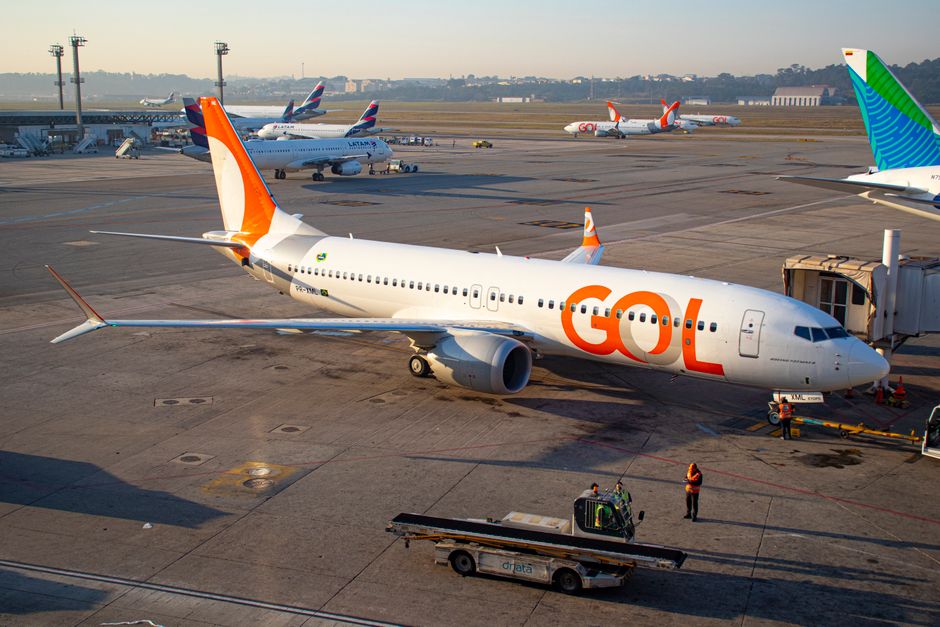
A Southwest Airlines Boeing 737 MAX 8 accumulated 44 flights while structural damage near its tail remained undiscovered. The problem began during an overnight stop at Louis Armstrong New Orleans International Airport, where the aircraft was parked on May 16, 2024. Powerful wind affected the area where the standby rudder power control unit attaches to the vertical stabilizer.
The jet, registered as N8825Q, had spent fewer than 18 months in service. Nothing visible on its exterior indicated that the storm had harmed the internal mounting structure. It departed New Orleans the next morning without a special inspection and went on to complete 38 flights during the following week. Crews reported no rudder trouble on those trips.
Although Boeing’s instructions called for checks after exposure to extreme wind, the material did not provide a specific wind-speed trigger. Southwest also lacked a process for notifying maintenance control when unusually strong wind affected an aircraft parked on the ground. Together, those gaps meant the storm did not prompt an immediate examination. What appeared to be an undamaged airplane therefore continued through regular operations with a compromised rudder-related structure.
A check missed the warning
Planned overnight maintenance brought the aircraft to Houston on May 23. The work included a test in which a mechanic was supposed to watch the tail and verify that the rudder traveled properly in both directions. Hangar video later established that the control surface moved right but failed to move left. It also showed that no observer had taken a position behind the jet.
Even with those shortcomings, the maintenance record listed the test as successfully completed, and N8825Q returned to passenger service. On the fourth trip after the Houston visit, the flight crew noticed that the yaw damper seemed to make overly strong corrections as the aircraft encountered turbulence. The crew switched the system off.
The yaw damper was then deferred under the minimum equipment list. After one additional flight brought the plane to Phoenix, a functional check produced a passing result, allowing the system to be placed back in service. Those events offered more opportunities to identify abnormal behavior, yet the underlying structural harm was still present.
Oscillations developed in flight
Southwest flight 746 departed Phoenix Sky Harbor International Airport for Oakland International Airport on May 25. At an altitude of 34,000 feet, the jet entered a brief Dutch roll. A similar movement happened again after the aircraft reached 32,000 feet. This was the sixth trip since the Houston maintenance visit and the 44th departure following the damaging weather in New Orleans.
Dutch roll combines movement around two axes: the airplane yaws from side to side while also rolling. That interaction sends the nose and wings into opposing oscillations and can complicate control. In this case, each episode lasted only a few seconds. The crew continued toward Oakland, and the MAX landed there without further incident.
Examination afterward uncovered damage around the standby rudder power control unit. Investigators found harm to its mounting bracket as well as the nearby vertical-stabilizer structure. That condition interfered with proper rudder operation and connected the airborne motion to the earlier period of extreme wind.
Oversights formed a chain
The NTSB’s final findings tied the event to wind damage sustained while the airplane was parked. The compromised connection between the standby rudder unit and the vertical fin remained hidden, permitting abnormal operation of the backup control equipment. The absence of obvious exterior evidence helped conceal the problem, but missed procedures and an incorrectly completed maintenance test allowed it to persist across nine days of flying.
The sequence involved several separate defenses that did not work as intended. There was no wind-speed value to automatically initiate Boeing’s prescribed inspection, Southwest had no internal alert procedure for affected parked aircraft, and the Houston rudder check was recorded as passed even though its required observation was not properly performed. A later successful yaw-damper test addressed that system without revealing the damaged mounting structure.
After the accident, Boeing changed the 737 maintenance instructions in May 2025 to address inspections following extreme high-wind exposure. For travelers, the case shows why severe weather on the ground can matter even when an airplane looks normal and why maintenance checks must confirm the full movement of critical control surfaces before a jet returns to service.
- The wind damage occurred during an overnight New Orleans stop on May 16, 2024.
- The aircraft completed 44 flights before the tail damage was discovered.
- Houston maintenance on May 23 recorded a flawed rudder test as passed.
- Flight 746 oscillated at 34,000 feet and again at 32,000 feet.
- Boeing changed its 737 maintenance instructions in May 2025.
Source: Simple Flying ↗
Summarized from the reporting above. Read it for the full story.
Winter weeks, altitude, and a fire at the end of the day. Tell us what the trip should feel like and we'll shape complete options you can compare.
Ask 4Vacations →


Share this story