New DOT Rule Eases Airline Duties During Mechanical Delays
Starting October 19, some routine maintenance problems will no longer require airlines to cover passenger hotels or meals.
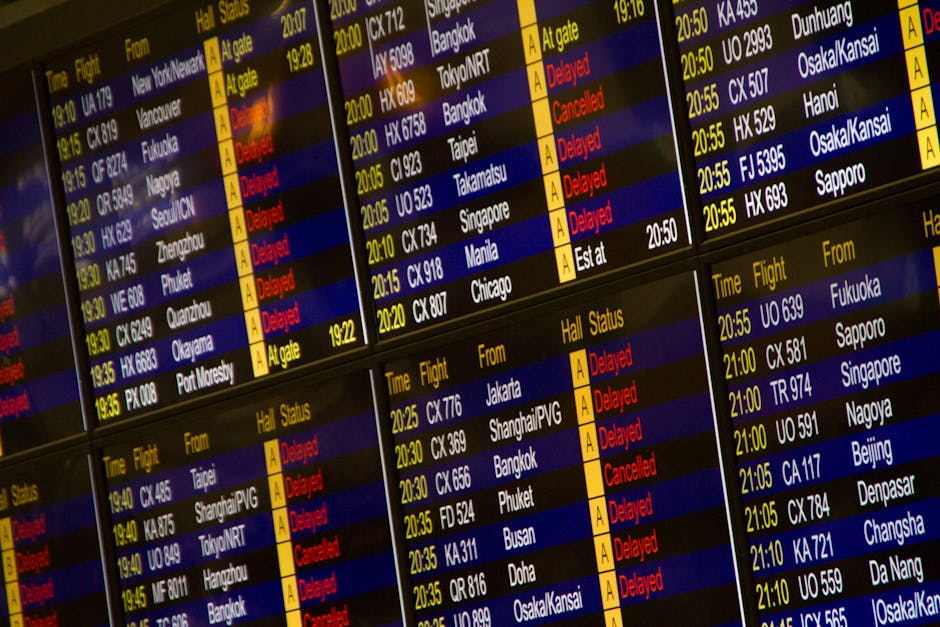
A narrower airline obligation
A new Department of Transportation regulation changes how certain flight disruptions are classified beginning October 19. When qualifying mechanical trouble delays or cancels a flight, an airline may no longer be required to furnish a hotel room, meals or comparable passenger assistance. The practical result is a smaller set of disruptions for which those benefits are mandatory.
The distinction rests on whether a disruption is considered within the carrier’s control. Airlines continue to bear responsibility when the cause belongs to them. Under the new framework, however, several events that passengers may associate with ordinary airline operations are placed outside that boundary. Mechanical trouble can therefore interrupt a trip without triggering the care travelers might expect from a carrier-controlled delay.
That difference matters most when a disruption leaves someone needing food or an overnight stay. In an affected case, travelers could have to organize those arrangements themselves and cover the expense, even though the immediate reason for the interruption involves the aircraft or equipment needed to operate the flight.
How the change became law
The regulation implements provisions in the 2024 FAA reauthorization rather than originating as an independent policy choice by the current Department of Transportation. Congress approved that legislation, and Joe Biden signed it. In the Senate, the measure passed 88-4 with support crossing party lines.
The relevant provision developed from a wider amendment advanced by Rep. Tom Kean Jr. His initial version proposed 22 circumstances that would be excluded from an airline’s responsibility. Ten exclusions remained in the legislation that ultimately became law. The regulation now puts those statutory classifications into effect.
Department messaging has emphasized two of the included events: cyberattacks and clouds of volcanic ash. Both are covered, but they do not capture the full reach of the change. The same group of exclusions also encompasses maintenance situations that may arise during routine flight operations, which is why the consequences extend beyond unusual external emergencies.
Mechanical problems covered
One important category involves maintenance that was not part of the planned servicing schedule, appears outside that program, and either cannot be postponed or must be completed before departure. That description can apply when an issue surfaces after the aircraft arrives or during checks conducted ahead of a flight.
Examples include a newly discovered hydraulic-fluid or fuel leak, an engine alert, unusual vibration, or signs of metallic contamination that require examination. A windshield crack or another structural problem can also qualify when it exceeds permitted limits. The category may further include tires or brakes that fall outside their published operating thresholds.
Other examples involve failed cabin pressurization, fire-detection systems or emergency gear. Trouble with anti-icing equipment may qualify when predicted conditions make the equipment necessary. The exclusion can also reach required navigation or communications systems on certain long-distance operations, including flights governed by ETOPS or reduced-separation requirements. These examples show why the rule can affect disruptions produced by relatively familiar technical faults rather than only rare events.
What DOT still requires
The Department of Transportation maintains that carriers must provide compensation when they are accountable for a cancellation or delay. That principle remains, but it does not by itself preserve passenger benefits in the newly excluded cases. The decisive issue is how responsibility is defined, and the law now assigns ten additional kinds of disruption to the outside-control category.
As a result, saying that airlines remain accountable for disruptions they cause provides only part of the picture. The new definitions change which causes count as theirs for regulatory purposes. A mechanical issue that once supported mandatory meals or lodging may now fall into an exception, relieving the carrier of that duty even when the problem must be fixed before the aircraft can depart.
Why travelers should care
For passengers, the central change is not whether safety-related maintenance should be completed. Each listed defect may still need inspection, repair or replacement before a flight proceeds. What changes is who must absorb the incidental costs when that work disrupts an itinerary and creates a need for food or accommodation.
Travelers affected after October 19 may need to determine whether their delay falls within one of the new exclusions before assuming assistance is owed. The difference between a carrier-controlled disruption and an excluded maintenance event can now decide whether lodging and meal support must be supplied. That makes the formal cause assigned to a delay especially consequential for anyone stranded away from home or facing an extended wait.
- The regulation takes effect October 19.
- Federal law added ten outside-control disruption categories.
- The Senate approved the 2024 FAA reauthorization 88-4.
- The original amendment proposed 22 exclusions.
- Hotels and meals may not be required for qualifying maintenance disruptions.
Summarized from the reporting above. Read it for the full story.
Winter weeks, altitude, and a fire at the end of the day. Tell us what the trip should feel like and we'll shape complete options you can compare.
Ask 4Vacations →

Share this story