How Cruise Ships Prepare for Fires, Illness and Emergencies
Cruise lines use layered safety systems, medical teams and international rules to protect passengers at sea.
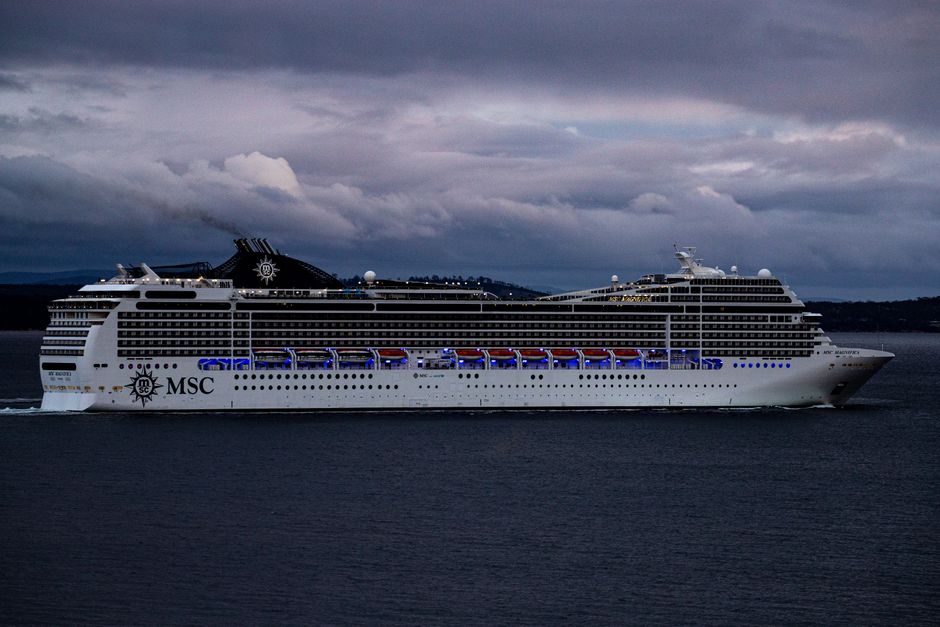
Safety at cruising scale
Cruising carried a record 37.2 million travelers around the world during 2025, based on figures from the Cruise Lines International Association. Despite that volume, most voyages finish without accidents. Cruise operators have both legal and moral duties to protect the people in their care, although no kind of travel can eliminate every possible danger.
Fatal incidents aboard cruise ships are estimated to occur at odds of roughly one in 6.25 million. As a point of comparison, the National Safety Council calculates that a person in the United States has a one-in-101 lifetime chance of dying in a motor-vehicle collision. These figures measure different periods and circumstances, but they help place the frequency of cruise fatalities in perspective. The International Maritime Organization also finds fewer accidents per million cruise passengers than among travelers using other passenger vessels.
Not every injury at sea is caused by the vessel or its operation. Some passengers experience unrelated medical problems, while others have ordinary accidents that happen to occur during a sailing. When cruise companies and regulators organize their safety planning, their principal concerns fall into four broad groups: someone going overboard, a fire aboard the vessel, an outbreak of disease, or a disaster affecting the ship on a larger scale.
Keeping people aboard
A person entering the water presents a particularly serious challenge because cruise ships are enormous, carry many people and may travel through demanding waters. Cruise lines therefore combine physical barriers with monitoring technology to make an accidental fall from the ship extremely difficult.
Outdoor passenger spaces are generally bordered by high railings. Cameras and movement-sensing systems add another layer by helping detect an overboard event if one occurs. The vessels themselves are also much steadier than many smaller types of watercraft. That stability lowers the possibility that normal ship motion could throw a traveler into the sea.
These protections work together rather than depending upon a single device. Railings are intended to prevent the initial fall, surveillance systems can reveal an incident, and the ship’s stability reduces movement-related risk. Even with those measures, cruise companies treat overboard events as a core area of passenger-safety planning whenever a vessel departs port.
Containing fire at sea
Fire protection likewise uses several overlapping defenses. Modern vessels are divided so a blaze can be isolated quickly instead of moving freely through the ship. Designers also choose materials for furniture and interior decoration that resist burning whenever practical, reducing opportunities for flames to spread.
The amount of equipment can be extensive. On a typical ship carrying 2,800 passengers, the average provision includes 4,000 devices for detecting smoke and 500 portable extinguishers. The sprinkler network contains about 16 miles of piping, while onboard fire hoses extend for roughly six miles. Five separate teams are assigned to firefighting duties at that passenger level.
Compartmentalized construction, detection equipment, suppression systems and trained responders each address a different stage of a possible emergency. Smoke detectors provide warning, sprinklers and extinguishers help control flames, fire hoses support a larger response, and enclosed ship sections can restrict the affected area. The use of less combustible interior materials provides protection before an incident begins.
Limiting illness outbreaks
Contagious disease and sickness linked to food form another major part of cruise safety. Ships follow demanding health procedures and sanitation practices intended to reduce transmission among passengers and crew. These measures matter in an environment where large numbers of people share dining rooms, recreation areas and other common spaces.
Food receives its own preventive controls. Tight hygiene requirements govern how ingredients and meals are prepared and stored, helping reduce the chance of food-related illness. Taken together, cleaning procedures, health protocols and careful food handling are designed to prevent an isolated case from becoming a wider outbreak.
For travelers, the broader picture is a system built from multiple safeguards: barriers and sensors near open decks, vessel stability, structural fire containment, extensive suppression equipment, response personnel, sanitation routines and food-hygiene rules. Serious risks still exist, but the industry’s approach is to prevent incidents where possible and maintain several forms of protection for the major hazards it has identified.
- Worldwide cruise travel reached 37.2 million passengers in 2025.
- Estimated odds of dying aboard a cruise ship are about one in 6.25 million.
- A typical 2,800-passenger ship averages 4,000 smoke detectors and 500 extinguishers.
- Fire systems average 16 miles of sprinkler piping and six miles of hose.
- Cruise safety planning focuses on overboard events, fires, illness outbreaks and major ship disasters.
Summarized from the reporting above. Read it for the full story.
Winter weeks, altitude, and a fire at the end of the day. Tell us what the trip should feel like and we'll shape complete options you can compare.
Ask 4Vacations →

Share this story