Frontier Cuts 24 Jets as Fleet Costs Mount
The airline ended June with 165 aircraft and still expects capacity growth through 2026.
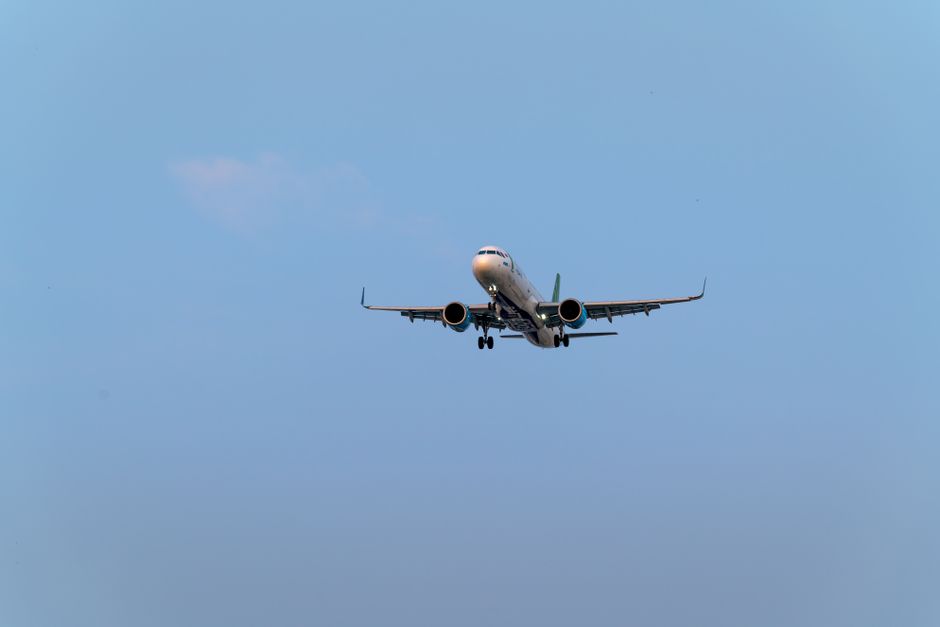
Twenty four jets returned
Frontier completed the planned early handback of 24 Airbus A320neos to AerCap, even though the leases had another two to eight years left. The carrier disclosed the plan in February and confirmed with its second-quarter results that every aircraft covered by the arrangement had been returned. After accepting other newly delivered planes as well, Frontier closed June with a fleet of 165 aircraft.
The restructuring came at a substantial price. Frontier recognized $209 million of costs across the first six months. That total covered work required when returning leased aircraft, the write-off of maintenance-related balances and depreciation recorded sooner than originally scheduled. The agreement also envisioned 10 sale-leaseback transactions involving future aircraft in 2028 and 2029.
More planes than crews
The central problem was a gap among fleet size, available pilots and passenger demand. Jimmy Dempsey said Frontier had approximately 175 aircraft but enough pilots to fly around 140 when operations were spread evenly across the week. The company’s annual SEC filing gave the precise fleet count at the close of 2025 as 176. Every one of those aircraft was held under an operating lease.
Building the fleet around the busiest travel days can leave aircraft with little productive work during slower periods, although the lease obligations continue. Distributing flights more consistently through the week allows each plane to operate more often and reduces the number needed. That approach, however, must still correspond with when passengers actually want to travel.
Dempsey became CEO after Barry Biffle departed in December, but he was already part of Frontier’s senior leadership throughout much of the expansion. He served as chief financial officer beginning in 2014 and moved into the president’s role in 2023. His tenure therefore covered both large group aircraft orders that helped shape the carrier’s commitments.
Indigo shaped the buildup
The growth in aircraft commitments was connected to large Airbus purchases negotiated by Indigo Partners for several airlines in its portfolio. Specific portions of those deals were assigned to Frontier, which entered its own purchase obligations. Bill Franke, Indigo’s managing partner, is also chair of Frontier’s board.
Airbus completed a transaction for 430 planes with Indigo and its airlines in December 2017. Frontier was allotted 134 of them, consisting of 100 A320neos and 34 A321neos. A second collective purchase, placed in November 2021, involved 255 aircraft; Frontier’s share of that order was 91 A321neos. Deliveries under these commitments were scheduled across multiple years.
Until shares were distributed among the fund’s members in April 2024, a fund managed by Indigo was Frontier’s controlling shareholder. Frontier Group Holdings, the airline’s publicly traded parent, later stated in its 2026 proxy that Franke beneficially owned 43% as of March 20. Those ties show that the fleet’s expansion reflected decisions extending beyond a single airline chief executive.
Capacity can still rise
Frontier also used sale-leasebacks as part of its aircraft strategy. It purchased planes, sold them to leasing companies for gains and then rented the same equipment. Those transactions strengthened returns at the time of sale while creating larger lease expenses for later periods. The sole annual profit posted by Frontier since the pandemic came from this financial activity rather than an operating profit.
A smaller fleet does not necessarily mean fewer seats in the near term. As of July, Frontier expected capacity in the third quarter to exceed the comparable 2025 period by 17% to 18%. Its projection for the fourth quarter was growth of roughly 7% from 2025. The carrier planned to produce that increase by flying each aircraft more and offering additional seats on each departure.
For travelers, the important distinction is between the number of planes Frontier controls and the volume of seats it schedules. Returning costly, underused aircraft can reduce the fleet while higher utilization keeps capacity expanding. The plan puts greater emphasis on extracting more flying from each remaining jet rather than relying on fleet size alone.
- Frontier returned 24 Airbus A320neos to AerCap before their leases expired.
- The restructuring produced $209 million in first-half costs.
- Frontier ended June with 165 aircraft.
- Third-quarter capacity was projected to grow 17% to 18% over 2025.
- Fourth-quarter capacity was forecast to rise about 7% from 2025.
Summarized from the reporting above. Read it for the full story.
Winter weeks, altitude, and a fire at the end of the day. Tell us what the trip should feel like and we'll shape complete options you can compare.
Ask 4Vacations →


Share this story