Flight Attendants Share Their Preferred Airplane Seat
Choosing where to sit can be difficult for travelers settling in before a flight.
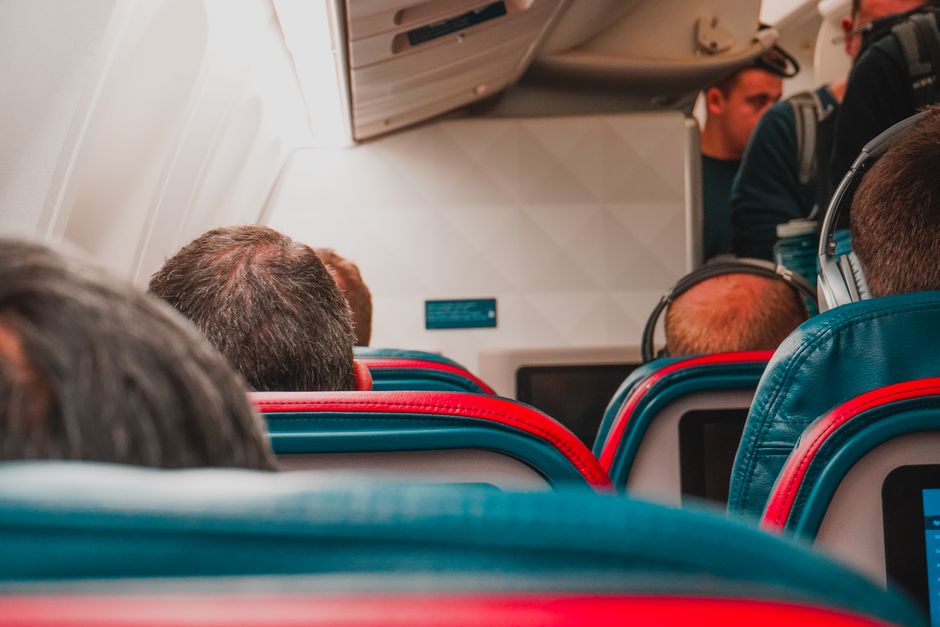
The crew favorite
When flight attendants travel as passengers, many favor a window position beside an emergency exit. On a narrowbody aircraft, examples include 21A and 21F. This part of the cabin combines two useful qualities: additional room for the legs and a solid surface that a traveler can rest against while trying to sleep.
Flight attendants are also particularly well suited to these rows because they already know how to handle an emergency exit if circumstances require it. For an off-duty crew member seeking both space and a chance to rest, the exit-row window offers a strong balance. It keeps the passenger out of the aisle while providing more room than a typical economy seat.
These seats generally cost extra, however. Whether the upgrade makes sense depends on the traveler’s budget and how highly they value the added room, especially during a longer journey.
Other roomy choices
Bulkhead positions are another option for travelers who want greater personal space in economy. Seats such as 6A and 6F, located in the first economy row, can provide a little more room. Their forward location also makes getting aboard and leaving the plane quicker.
For a long-haul itinerary, premium economy may be worth considering when the fare is manageable. It offers increased seat pitch and legroom, along with extras that can include an amenity kit and upgraded meals and beverages. Those benefits can matter when an ordinary economy seat feels tight, particularly if the passenger ahead reclines.
Travelers looking for space without selecting a premium seat can also consider the back of the economy cabin. Because carriers tend to allocate places beginning near the front, an aircraft that is not completely full may have empty seats farther back. Occasionally, enough places remain open for someone to lie across a row. Before taking over unused seats for that purpose, asking the flight attendants is the courteous approach.
Aisle or window
The best position still depends on a passenger’s priorities. An aisle place makes it easier to reach the lavatory or galley and allows someone to stand or stretch without first asking a seatmate to move. The tradeoff is that aisle passengers may need to get up whenever others in the row want to leave.
Feet should not be extended carelessly into the aisle. During cabin service, crew members pushing a cart may be unable to spot them, creating the risk of a painful collision. A window position provides a greater sense of privacy, adds an outside view and avoids some of that traffic, although reaching the aisle requires disturbing other passengers.
Two companions flying in a cabin arranged 3-3 sometimes reserve the window and aisle in the same rear row. Their hope is that nobody selects the middle position, leaving extra room between them. It is a strategy rather than a certainty, since another traveler can still be assigned that seat.
Timing the service
Seat location can also influence when refreshments arrive and whether a traveler receives a preferred meal. Beverage and food rounds usually begin at the front, making the earliest economy rows useful for passengers who want their selection before choices run low.
The rear can sometimes offer a similar advantage aboard bigger or long-haul planes. Depending on an airline’s method of serving the cabin, crews may start at both ends. In those cases, passengers seated near the back can receive food and beverages relatively early as well.
Choosing by priority
There is no single position that satisfies every traveler. An exit-row window stands out among flight attendants because it pairs more legroom with a place to lean, while a front-row economy seat favors space and a faster exit. The aisle serves passengers who value easy movement, and the rear may reward those willing to gamble on an emptier section.
The practical choice comes down to which benefit matters most: room, rest, mobility, service timing or getting off promptly. Price matters too, since the most spacious economy positions commonly carry an additional charge.
- Flight attendants often favor exit-row window seats such as 21A or 21F on narrowbody aircraft.
- Seats 6A and 6F can offer extra space and quicker boarding and disembarking.
- Unfilled flights may leave spare seats or an open row near the rear.
- Front economy seats usually receive meal and beverage service earlier.
- Exit-row and bulkhead seats commonly cost more.
Summarized from the reporting above. Read it for the full story.
Winter weeks, altitude, and a fire at the end of the day. Tell us what the trip should feel like and we'll shape complete options you can compare.
Ask 4Vacations →
Share this story