FAA orders tail checks for 1,987 Boeing 737NGs
The directive starts November 23 and does not apply to Boeing 737 MAX aircraft.
Why the FAA acted
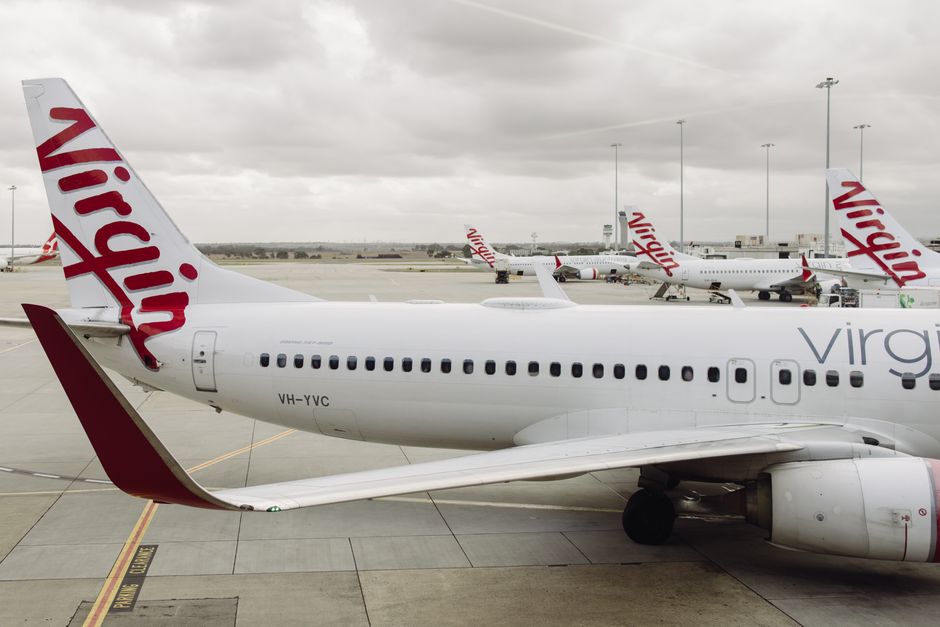
A new Federal Aviation Administration airworthiness directive requires inspections of 1,987 Boeing 737 Next Generation aircraft registered in the US. Operators had reported multiple events involving pitch oscillation, meaning the aircraft’s nose shifted up and down while in flight. The FAA linked those events to excessive freeplay in the horizontal stabilizer system.
The horizontal stabilizer controls changes in the aircraft’s nose-up and nose-down position. Two pivot hinges allow the stabilizer to turn, while a jackscrew moves it to the required position. Wear in those components can create increasing amounts of unwanted movement. The FAA determined that excessive movement could allow the stabilizer to flutter and eventually cause the crew to lose control of the airplane. The agency did not identify the operators involved, give the number of reported events or say when they happened.
Aircraft covered
The requirement applies to US-registered 737-600, -700, -700C, -800, -900 and -900ER aircraft. It does not cover the Boeing 737 MAX family. The directive, identified as AD 2026-20-14, becomes effective November 23 after first being proposed in January.
Registration is important for travelers and airlines outside the US. The FAA order currently reaches only aircraft on the US registry. Aviation authorities elsewhere will make their own decisions about requiring comparable inspections for airplanes registered within their jurisdictions. More than 5,160 active 737 Next Generation aircraft are listed worldwide in ch-aviation data, so the FAA directive covers only part of the global fleet.
What operators must inspect
Maintenance teams must measure freeplay at three areas: the pivot hinge on the left side of the horizontal stabilizer, the corresponding hinge on the right and the jackscrew that sets the stabilizer’s position. The results determine whether an aircraft needs further work.
Some airplanes may require the measurements to be repeated at prescribed intervals. Others may need worn components repaired or replaced. The recurring checks are intended to catch excessive movement whether it develops in an original component or in a replacement part. The directive therefore establishes continuing obligations for some aircraft instead of treating the first inspection as the end of the process.
Requests the FAA rejected
Several operators sought changes while the directive was under consideration. United Airlines, which has more than 300 affected airplanes, wanted additional time between recurring inspections. It also asked the FAA to count qualifying checks that had already been performed.
Alaska Airlines proposed repairing worn components immediately instead of conducting interim freeplay measurements. Canadian North wanted the initial compliance period extended from 12 months to 36 months so the inspections could be coordinated with heavy maintenance visits. The FAA declined those requests, maintaining that its selected intervals were necessary to prevent excessive movement from developing in both existing and newly installed parts.
Cost and fleet context
The FAA estimates that one inspection will require six hours of labor and cost $510 for each airplane. Across all 1,987 aircraft on the US registry, the initial inspection expense exceeds $1 million. That calculation does not include any replacement components, so costs will be higher for operators whose aircraft need repairs or new parts.
The affected models remain widely used. The 737-800 is the most prevalent commercial jet model currently operating in the US. Southwest Airlines has more than 800 airplanes from the broader 737 family, including over 500 aircraft from the -700 and -800 series. Ryanair operates more than 400 737 Next Generation aircraft, placing it behind Southwest Airlines and ahead of United and American Airlines among the largest operators.
Boeing delivered over 7,000 airplanes from the 737 Next Generation series between 1997 and January 2020, when the final deliveries occurred. This fleet has previously undergone broad inspections. During 2019, cracking found in the pickle fork structure, which joins the wings and fuselage, prompted another FAA inspection order for US-registered aircraft and contributed to dozens of groundings around the world. The new directive focuses instead on the stabilizer hinges and jackscrew associated with pitch control.
- AD 2026-20-14 becomes effective November 23.
- The order covers 1,987 US-registered aircraft across six 737 Next Generation models.
- The Boeing 737 MAX family is excluded.
- Each inspection is estimated at six labor hours and $510 per aircraft.
- Canadian North’s requested extension from 12 months to 36 months was rejected.
Source: Simple Flying ↗
Summarized from the reporting above. Read it for the full story.
Winter weeks, altitude, and a fire at the end of the day. Tell us what the trip should feel like and we'll shape complete options you can compare.
Ask 4Vacations →

Share this story