Economy Seat Pitch Has Shrunk to 30–31 Inches
The change marks a sharp difference from the 34-inch pitch once associated with economy seating.
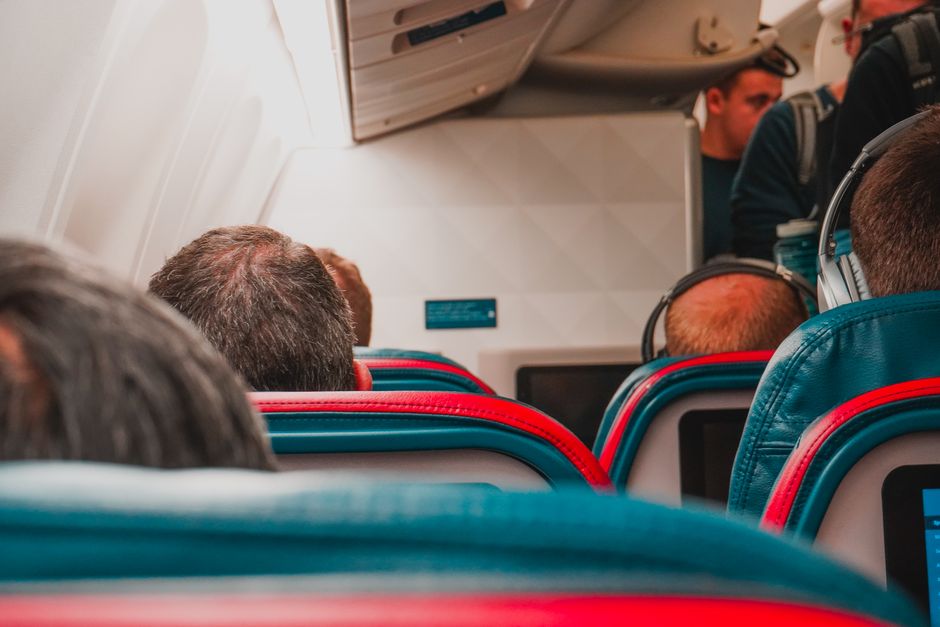
A tighter standard
The space attached to a standard economy ticket has contracted. A pitch of 34 inches used to offer long-haul passengers a comparatively comfortable middle ground: they could gain enough room to extend their legs without purchasing a much more expensive business-class fare. Across many long-haul cabins today, the usual measurement is closer to 30 or 31 inches.
That reduction changes more than a specification on a seat chart. Four fewer inches can make hours in an upright position substantially harder, especially when a taller traveler’s knees are already near the row in front. Even at 31 inches, passengers may have more difficulty shifting position, stretching out or settling into a comfortable posture during an overnight flight. Space that formerly belonged to conventional economy is now often sold as an upgraded feature.
What pitch reveals
Seat pitch is calculated from a particular point on one seat to the matching point on the seat in the next row. It is not a direct measurement of the clear area in front of someone’s knees. Even so, it provides a useful view of how much cabin floor an airline assigns to each row.
Current layouts often fall between approximately 30 and 32 inches, with the exact figure changing according to the carrier, route and aircraft. The same advertised pitch can also feel different from one seat to another. Cushion construction, seat thickness and the way a recline system works all affect how much usable room reaches the passenger.
The aircraft’s width and the number of seats placed side by side matter as well. American Airlines, United Airlines and most other carriers arrange economy on the Boeing 787 Dreamliner in a 3-3-3 pattern. On the Boeing 777, the cabin can fit another seat across, producing a 3-4-3 arrangement. Those factors help explain why one pitch number cannot fully describe comfort.
The economics of inches
Cabin planning increasingly turns on the revenue airlines can earn from each square foot. An extra inch assigned to one row carries a tradeoff: that area might otherwise help fit another passenger or support a seating category capable of bringing in more money. Carriers weigh ticket income alongside operating costs, aircraft use and customer demand, so modest layout adjustments can alter the revenue produced by each departure.
Business class demonstrates the calculation. One seat may consume two to four times the area required by an economy seat, yet it can be sold for a far higher fare. Industry estimates put its revenue per square foot at four to five times the economy result.
Premium economy offers another attractive balance. It can require around 1.5 times the footprint of economy while producing approximately 1.8 to 2.4 times as much revenue from that area. The figures depend on demand, route and aircraft, but they show why the mix of cabin products can matter as much as the total number of people aboard.
Comfort becomes a product
Premium economy has moved beyond its earlier role as a niche step up. In practical terms, it increasingly resembles the roomier standard economy experience of the past. Meanwhile, basic economy has expanded at the lowest end of the fare structure, sharpening the division between a compact base product and options that charge separately for additional comfort.
Cabin density remains part of the change, but the shift is not solely about adding as many passengers as possible. Airlines can divide the available floor among products with different prices and revenue potential. Under that model, space itself becomes a feature to package and sell.
For travelers, the result is a more segmented flight experience. The 34-inch pitch once connected with relatively generous economy seating, particularly on longer international services, is increasingly difficult to obtain with an ordinary economy fare. A passenger who wants that former standard may now need to buy into premium economy, while the typical long-haul economy customer encounters rows spaced at about 30 or 31 inches.
- Long-haul economy commonly offers 30 or 31 inches of pitch.
- A 34-inch pitch was once linked with roomier economy seating.
- Boeing 787 Dreamliner economy commonly uses a 3-3-3 layout.
- The Boeing 777 can use a 3-4-3 economy arrangement.
- Premium economy may generate 1.8 to 2.4 times economy revenue per square foot.
Source: Simple Flying ↗
Summarized from the reporting above. Read it for the full story.
Winter weeks, altitude, and a fire at the end of the day. Tell us what the trip should feel like and we'll shape complete options you can compare.
Ask 4Vacations →

Share this story