American Airlines Charges $313 More for Coach Flexibility
The higher fare avoids basic economy restrictions but keeps travelers in the same cabin.
The price of flexibility
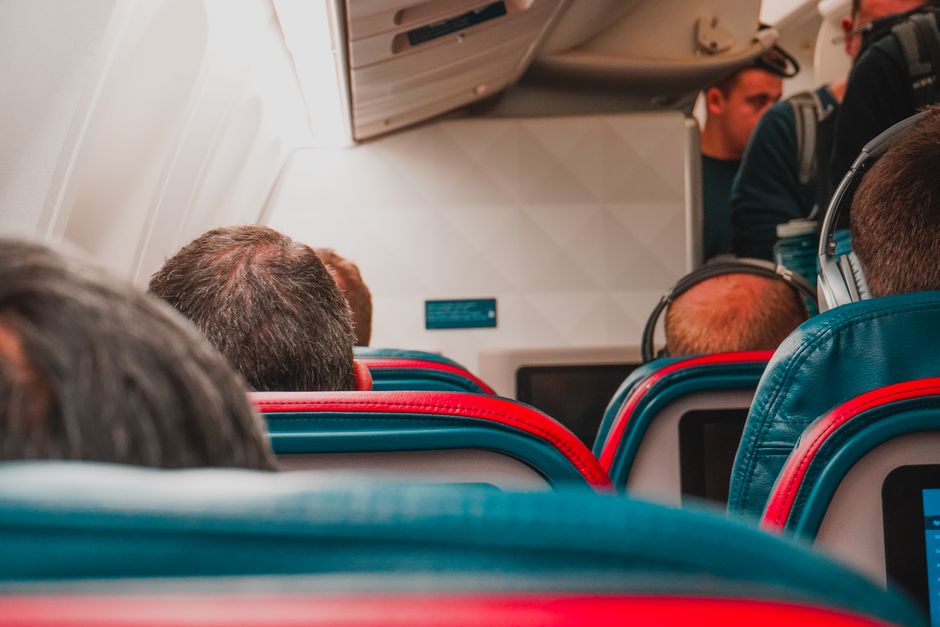
A fare displayed by American Airlines put a $313 gap between basic economy and a standard coach ticket. Paying the higher amount would release the traveler from the restrictions attached to the lowest-priced option, but it would not move that passenger into another cabin. The seat would still be in coach, making the additional cost a payment for fare conditions rather than a different class of service.
The example was presented as striking but not exceptional. Differences as large as $450 between basic economy and standard fares have also appeared. For someone buying a personal trip with their own money, that creates an uncomfortable choice: accept the limitations that come with the cheapest ticket or spend several hundred dollars more without leaving the economy cabin.
Two prices for one cabin
The pricing explanation centers on competition from Frontier and similar airlines. Under that view, American has one lower figure designed to compete with those carriers and another reflecting what it believes it could charge without that pressure. Basic economy becomes the competitive offer, while the standard fare sits much higher even though both choices remain within coach.
That structure can make the jump feel less like a modest fee for useful options and more like a second, substantially different price for access to fewer restrictions. The $313 example is therefore not simply about whether the traveler wants a better seat. It illustrates how widely the cost of two economy products on the same airline can diverge.
Loyalty meets the lowest fare
The gap is especially pointed for elite frequent flyers. A customer may have spent $50,000 on airfare during the previous six months or placed $1 million of charges on an airline credit card. That history may include sending all work travel to the carrier. Yet when the same person shops carefully for a family weekend, choosing the least expensive fare can still mean losing benefits unless several hundred dollars more is paid.
The criticism is that the airline evaluates the passenger according to the fare purchased for that particular journey, rather than the broader value of the relationship. Past spending and repeated business do not necessarily protect an elite traveler from basic economy rules. In that sense, the $313 choice exposes a tension at the center of airline loyalty: recognition can become conditional at the moment a loyal customer selects the cheapest available ticket.
Other travel pricing signals
The same collection of travel notes pointed to another marketplace where displayed scores have become compressed. Airbnb ratings were described as operating almost entirely from 4.5 to 5.0. When most properties occupy such a narrow band near the top, travelers have less numerical separation to help distinguish among listings. The issue differs from airline fare restrictions, but both cases concern how a familiar label can conceal meaningful differences between the options being compared.
Government travel was also used to illustrate how airline revenue may be presented. One example, offered by someone who previously worked in pricing and revenue management for a Gulf carrier, described a legal arrangement in which every government traveler is required to pay the full fare, even when a cheaper ticket is available that day. The resulting revenue can help an airline appear commercially successful while it is receiving a government subsidy, with accounts still capable of approval by a respected auditor.
Together, these examples show why travelers may need to look beyond the headline figure. On American, the crucial comparison is not only the $313 difference but what changes after paying it: the traveler escapes basic economy conditions while remaining in coach. On Airbnb, a very high score may sit within a rating range where nearly every option looks similarly strong. In government travel, the booked fare may reflect a payment policy rather than the lowest public price available at the time.
- The quoted upgrade from basic economy to standard coach was $313.
- Fare gaps between basic economy and standard have reached $450.
- Both American fare choices keep the passenger in coach.
- Airbnb ratings were described as clustering between 4.5 and 5.0.
Summarized from the reporting above. Read it for the full story.
Winter weeks, altitude, and a fire at the end of the day. Tell us what the trip should feel like and we'll shape complete options you can compare.
Ask 4Vacations →

Share this story