Air Canada Drops Nine Nonstop Routes From Its 2027 Schedule
None of the nine routes from a major city will return next year.
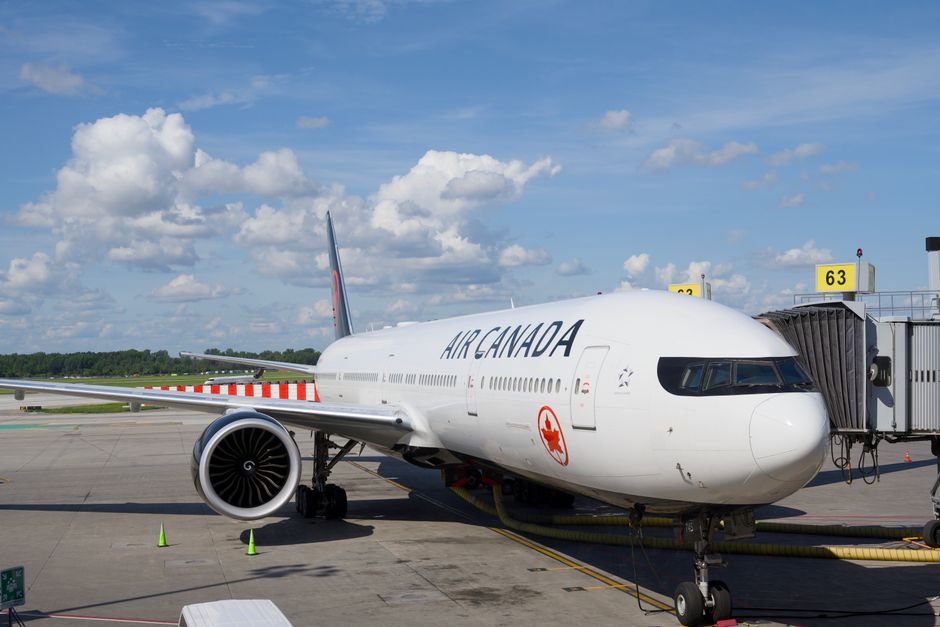
Nine routes leave the schedule
Air Canada has removed nine nonstop routes from its plans, and none is scheduled to return in 2027. The reductions affect operations from Toronto Pearson International Airport, the carrier’s busiest hub, even as Air Canada prepares to introduce other destinations and seasonal services from the airport.
The airline dominates Toronto Pearson, accounting for approximately 40% to 50% of its market. In a representative week during mid-November, its schedule includes about 1,564 departures from the hub. That scale makes Toronto central to both the carrier’s international network and its response when demand or operating conditions change.
Two United States services end
At least five Air Canada routes to the US have been discontinued this year, including two serving Toronto. One linked the hub with New York JFK Airport. Flights had been expected to resume on October 25, but the service was subsequently taken out of the schedule.
JFK has had an uneven place in Air Canada’s New York network. The carrier ended service there in 2016 before restoring the connection in 2023. Its broader presence in the region remains substantial through LaGuardia Airport and Newark Liberty International Airport. From several Canadian cities, Air Canada operates as many as 34 daily flights across those two airports.
Charleston, South Carolina, is also losing its Toronto connection. Air Canada introduced that route in March 2024, but passenger demand stayed soft. From its launch through July 2026, US Department of Transportation figures put the average share of occupied seats at 66.5%. The route never exceeded a 70% load factor in any individual month during that period.
Cuba flights remain suspended
Four more affected Toronto routes formed an important part of Air Canada’s Cuba operation. Before the suspension, Cayo Coco and Varadero each received four flights per week. Holguín was served twice weekly, while Santa Clara had one weekly flight.
The disruption began after the Cuban government issued an urgent aviation notice in February. It advised carriers that commercial supplies of Jet A-1 would be unavailable at airports across the island beginning February 10, following problems with Cuba’s oil supply. Air Canada halted every Cuba flight and sent empty aircraft south so it could return approximately 3,000 Canadian travelers.
The fuel limitation was initially anticipated to continue through March 11. Conditions did not improve sufficiently for standard service to restart, however. By June, Air Canada had delayed the return of its Cuba network for an indefinite period. WestJet and Air Transat attempted to continue operating through alternative arrangements at first, but both eventually suspended all island service as well.
Cross border demand has shifted
The route cuts come during a difficult period for aviation and amid weaker travel between Canada and the US. Diplomatic and trade friction between the countries has affected passenger traffic. Over the last two years, Air Canada’s capacity on US services has fallen by roughly 10%, according to a Financial Post account based on a person familiar with the situation.
The circumstances differ by destination. Charleston struggled to fill enough seats consistently, while JFK overlaps with Air Canada’s extensive service at two other New York-area airports. The Cuba removals followed an operational constraint that ultimately led the carrier to suspend its entire network to the island. Together, the changes show how demand, network coverage and local operating conditions are reshaping Toronto’s nonstop options.
New destinations are still coming
The reductions do not amount to a broad retreat from Toronto. Air Canada has announced new destinations from the hub for next summer, including Oslo, Norway, Shannon, Ireland, and Nice, France. It is also expanding its selection of warm-weather routes during the coming winter season.
A twice-weekly Tenerife service begins October 25 with an Airbus A321XLR configured for 182 passengers. Mérida, Mexico, follows in November with two flights each week. December brings weekly connections to Guatemala City, Quito, and Roatán. Travelers will therefore see a reshaped Toronto network: nine nonstop routes are gone from the 2027 schedule, while several newly added destinations broaden the hub’s other international offerings.
- Nine nonstop routes will not return in 2027.
- The Charleston route averaged a 66.5% load factor through July 2026.
- Air Canada returned approximately 3,000 tourists after suspending Cuba flights.
- Tenerife service starts October 25 with two weekly flights.
- Mérida receives twice-weekly service beginning in November.
Source: Simple Flying ↗
Summarized from the reporting above. Read it for the full story.
Winter weeks, altitude, and a fire at the end of the day. Tell us what the trip should feel like and we'll shape complete options you can compare.
Ask 4Vacations →


Share this story