Miura’s 2026 Irons Split Between Pure Blades and Playability
Testing compares the MB-101 and KM-700 with Miura’s broader lineup of forged designs.
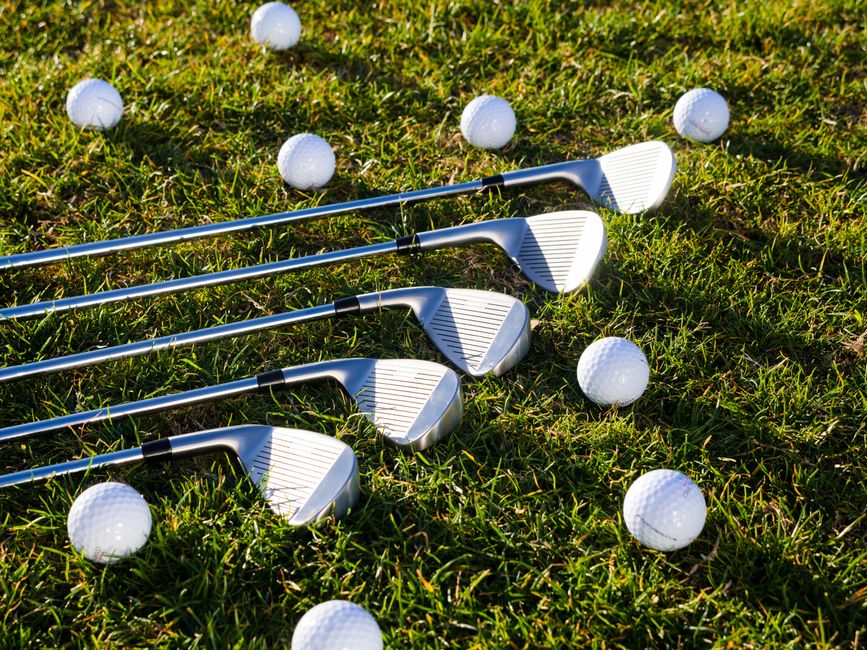
Miura’s current iron family offers different answers for golfers who value craftsmanship, shape and shotmaking. The MB-101 is the traditionalist’s choice: a compact blade with little offset, a very narrow top line and a thin sole. Center strikes deliver an exceptionally soft, rewarding sensation, but mishits lose plenty of help. Its sole also suits a shallow delivery better; golfers who drive the club sharply into the ground may find it catches more than they want.
The KM-700 takes the blade idea in a more engineered direction. Its unusual back design and heel-and-hosel weighting are intended to make the head easier to square while retaining the control expected from a blade. The shape is extremely angular, almost rectangular behind the ball, which can help with alignment but will not suit every eye. It keeps Miura’s dense forged feel and moves through the turf with a more neutral glide than the MB-101. That gives stronger ball-strikers another route to a compact iron without making the club feel as demanding through impact. Across the range, Miura’s identity remains consistent: premium forging, carefully considered geometry and standout finish, with the main choice coming down to how much forgiveness and stability a golfer wants.
- Miura’s MB-101 uses a thin sole designed for precise turf contact.
- The KM-700 is made from S20C soft carbon steel.
- Adam Scott has used the KM-700 on the PGA Tour.
- Miura’s lineup spans traditional blades and game-improvement designs.
Source: Golf Monthly ↗
Summarized from the reporting above. Read it for the full story.

Nine holes, a shotgun start at 4, and a burger after. Sign up at the pro shop or give us a call.
Tee off after 3 p.m. for half the daytime rate, seven days a week through the fall.
See twilight times →


Share this story