Choosing the Right Golf Shoe for Course Conditions
Spikes, sneaker-style soles, slip-ins and BOA closures each suit different golfers and playing conditions.
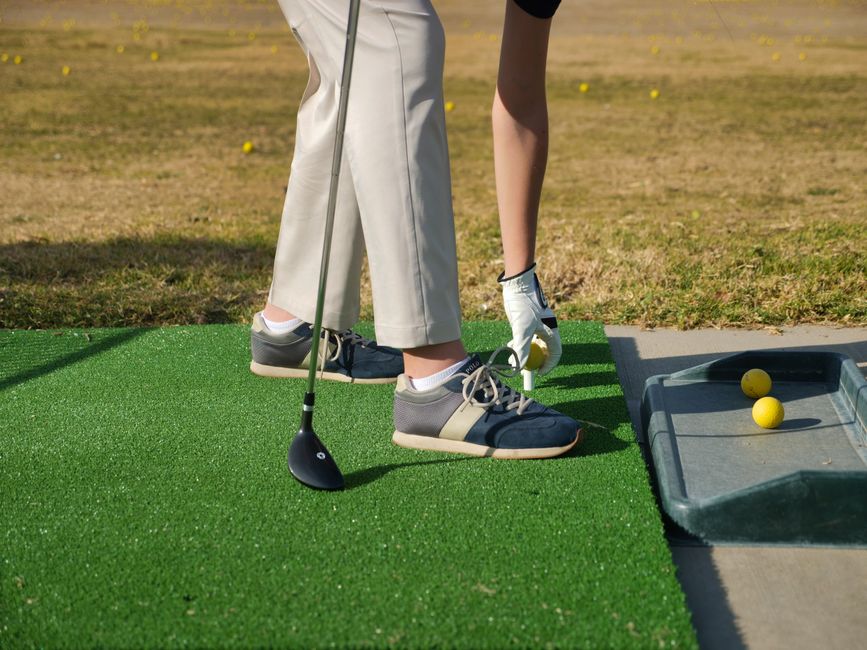
Golfers now have several shoe designs to weigh before a round, and the best choice depends largely on the ground beneath them. Cleated shoes provide the strongest footing, especially on damp winter turf or sloping courses, helping players stay stable through the swing. Their tradeoffs include extra weight, more cleaning, worn cleats and less usefulness away from the course.
Sole designs without cleats are generally lighter and easier to wear from the car to the clubhouse. Their treaded bottoms can be comfortable on firm summer ground, though spikes still hold an edge when conditions become soft or slippery. That difference matters because unwanted movement during the swing can cost both distance and accuracy.
Other features address convenience and fit. Skechers’ hands-free entry design uses a firm heel so the shoe does not collapse when put on, while BOA models tighten with a dial and wire system instead of standard laces. Both can appeal to golfers who find bending or fastening footwear difficult, and BOA versions commonly cost $20 more than comparable lace-up pairs. Players who golf through changing seasons may keep more than one style available.
- Spikes are especially useful on wet winter turf and hilly layouts.
- Spikeless shoes are lighter and easier to wear beyond the course.
- Matt Fitzpatrick is among the golfers using slip-in footwear.
- BOA versions typically add $20 compared with lace-up models.
Source: Golf Monthly ↗
Summarized from the reporting above. Read it for the full story.

Nine holes, a shotgun start at 4, and a burger after. Sign up at the pro shop or give us a call.
Tee off after 3 p.m. for half the daytime rate, seven days a week through the fall.
See twilight times →


Share this story