State Barrel Rules Raise Costs for Interstate Businesses
Six states use nonstandard barrel measurements for oil or beer taxes and fees.
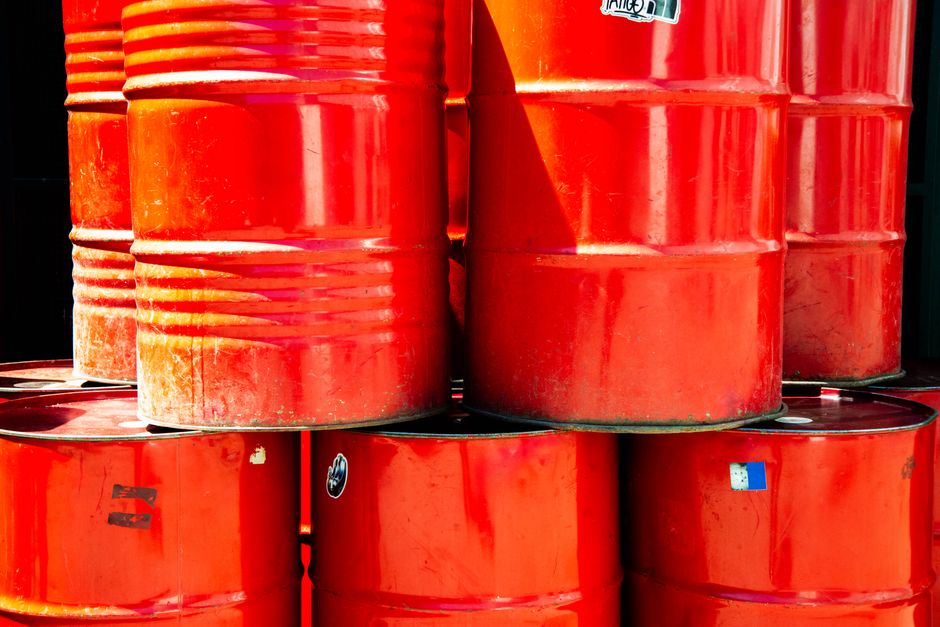
Businesses that sell or move taxed liquids across state lines can face different definitions of a barrel depending on location and product. Federal standards set an oil barrel at 42 gallons and a beer barrel at 31 gallons, but six states use other measurements in parts of their tax systems.
Indiana, Kansas and Missouri treat an oil barrel as 50 gallons for certain petroleum fees. Indiana uses both 42 and 50 gallons, depending on the charge. Arkansas taxes some beer barrels at 32 gallons, while another state provision uses 31 gallons. Connecticut allows a beer barrel to range from 28 to 31 gallons. Virginia uses “barrel” for containers larger than 43 ounces and ties brewery license fees to annual barrel production.
The differing rules make it harder for companies operating in several states to calculate payments, compare fuel-tax burdens and maintain consistent records. The Energy Information Administration previously had to revise published tax figures because Kansas applies its inspection fee to a 50-gallon barrel rather than the more common 42-gallon measure. The Tax Foundation also questions whether states have authority to establish measurements that differ from federal standards.
- Federal oil standard: 42 gallons
- Federal beer standard: 31 gallons
- Kansas petroleum fee uses 50-gallon barrels
- Virginia links brewery fees to annual barrel output
Summarized from the reporting above. Read it for the full story.

A one-page calendar of the federal dates that matter most this quarter, so nothing shows up as a surprise.
Talk through your books, a notice you got, or what's due next quarter. No cost, no pressure.
Book a check-in →


Share this story