Restaurant losses can deepen after disaster damage
Closures, outages and delayed insurance payments can strain operators whose properties survive intact.
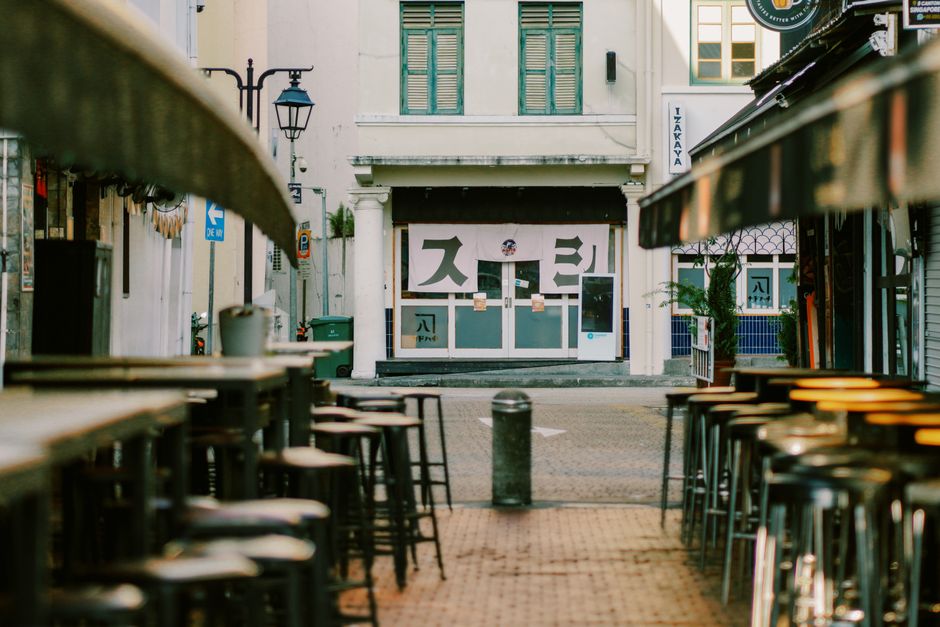
A restaurant can lose substantial revenue after an emergency even when its building escapes harm. Blocked roads, power failures, interrupted deliveries and fewer customers can all halt or weaken operations. In the week Hurricane Helene reached Georgia in 2024, restaurant sales were nearly 10% lower than a year earlier. Less than 2% of locations statewide were closed.
Recovery can reveal costly coverage gaps. Policies may not reflect a restaurant’s growth, while updated construction rules and permit requirements can increase rebuilding expenses. Franchise owners may also owe marketing and royalty charges during a shutdown. Interruption insurance might repay those expenses later, but the initial payment still comes from the operator.
Experts say a continuity plan should name primary decision-makers and substitutes, document insurer contacts and establish restoration and environmental partners beforehand. Those firms can inspect a property early, locate utility shutoffs and settle rates and authority in advance. Contractors who understand insurer estimating systems may also reduce payment delays. Waffle House is cited as the restaurant industry’s preparedness model because it uses established procedures for evacuations, closures and rapid returns. FEMA even uses the chain’s operating status as a measure of storm severity.
- 40% of businesses never resume operations following a disaster.
- Another 25% close one year afterward.
- Three in four companies lacking continuity plans fail within three years.
Summarized from the reporting above. Read it for the full story.
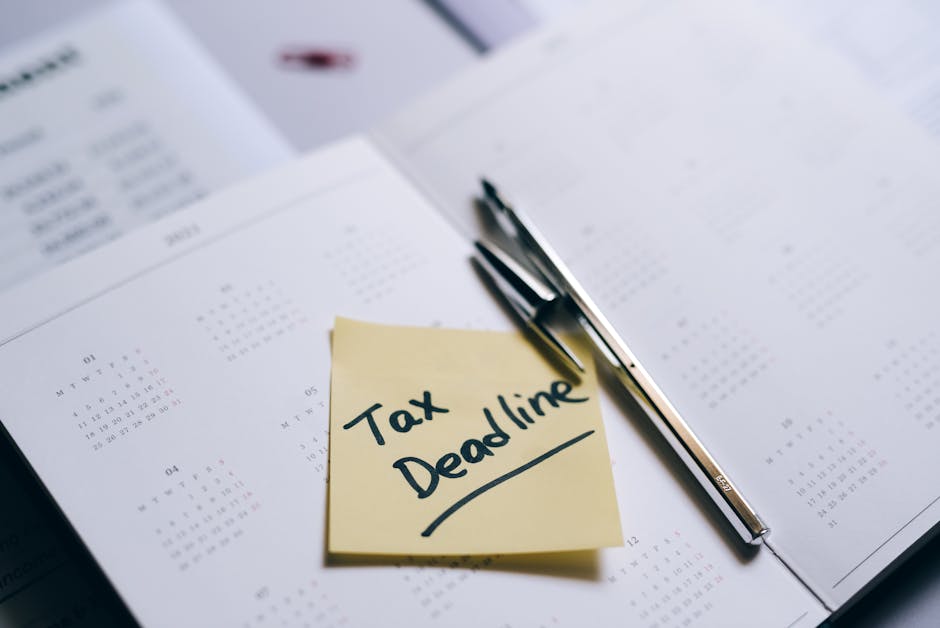
A one-page calendar of the federal dates that matter most this quarter, so nothing shows up as a surprise.
Talk through your books, a notice you got, or what's due next quarter. No cost, no pressure.
Book a check-in →

Share this story