Yale Study Links L-Carnitine to Amplified Inflammation
The nutrient is found in red meat and many exercise supplements.
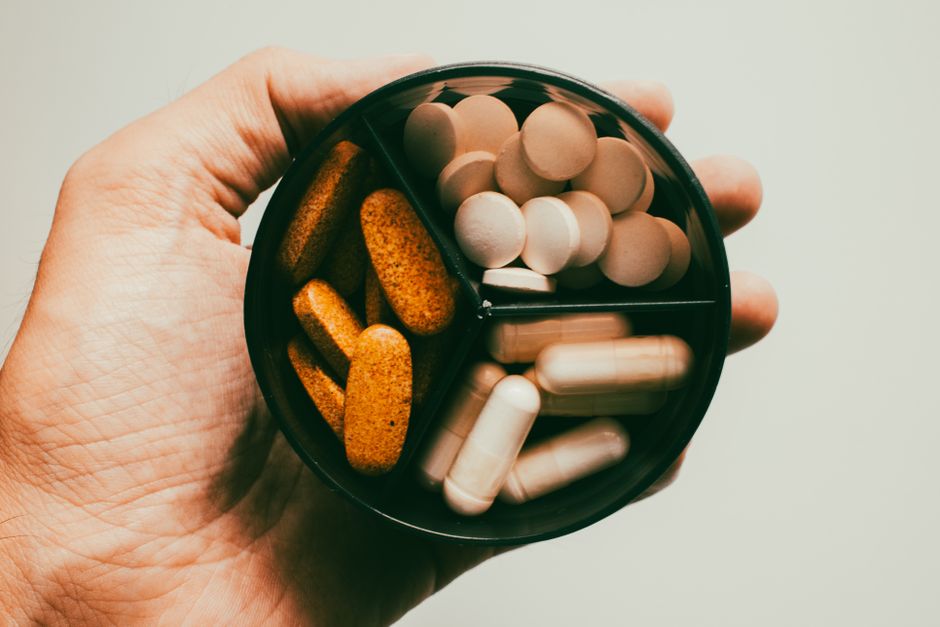
Yale researchers uncovered a new route through which L-carnitine can intensify an inflammatory response. Tests using human and mouse immune cells showed that the nutrient switched on the pyrin inflammasome, part of a cell’s alarm machinery. That activation triggered a chain involving the inflammatory signal IL-17. Among mice exposed to lipopolysaccharide, a bacterial component used to simulate inflammation associated with sepsis, this process raised the risk of death.
The work began with sepsis, a dangerous response to infection that can injure a person’s tissues and organs. After lipopolysaccharide exposure, the mice developed sharply lower L-carnitine levels in their blood. Researchers expected that restoring the nutrient might help, but the animals instead fared worse. The team concluded that the initial decline may have been a protective adjustment. The findings point to IL-17 as a possible subject for future sepsis research, though blocking it has not yet been shown to help patients.
A separate mouse model produced similar evidence after skeletal muscle damage. In rhabdomyolysis, muscle breaks apart quickly and releases its contents into circulation, with acute kidney injury as a possible result. L-carnitine transport and pyrin inflammasome activity contributed to inflammation, indicating that immune cells may treat the nutrient released from injured muscle as a danger signal. The researchers also want to examine possible connections with cardiovascular disease, inflammatory bowel disease and cancer. Importantly, the experiments tested isolated L-carnitine rather than complete foods or supplement products. The nutrient did not start inflammation on its own; an already substantial inflammatory state was necessary. The results therefore do not establish that eating red meat or taking L-carnitine supplements produces inflammation.
- Published Oct. 19 in Cell.
- Tests included mouse and human immune cells.
- IL-17 increased mortality in the sepsis mouse model.
- L-carnitine alone did not initiate inflammation.
- The effects required substantial existing inflammation.
Source: Medical Xpress ↗
Summarized from the reporting above. Read it for the full story.

Our one-page guide to chair height, screen height and where your feet go. Free at the front desk or by request.
A first consultation is free for new patients, including a take-home handout of that day's stretches.
Book a first visit →

Share this story