Ultra-Processed Foods Linked to a Surprising Cancer Type
The finding is based on 10 years of data.
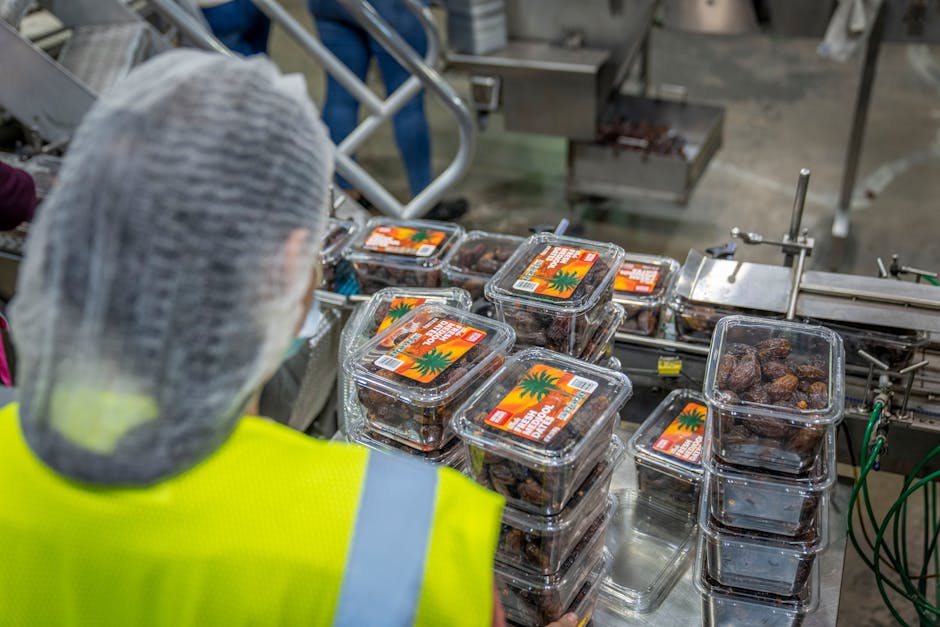
Researchers examined whether diets higher in ultra-processed foods were associated with myeloid neoplasms, cancers involving blood-producing bone marrow cells. The study included 204,494 adults from the UK Biobank. Dietary questionnaires were used to calculate the share of daily calories supplied by foods such as packaged snacks, sweetened drinks, processed meats and ready-made meals.
Participants were tracked for a median of 10.5 years, during which 848 received one of these cancer diagnoses. The analysis adjusted for several other influences, including participants’ ages, tobacco use, exercise, physical measurements and broader eating patterns. Each one-standard-deviation rise in the calorie share from ultra-processed foods corresponded to a 12% increase in relative hazard for a myeloid neoplasm. For myeloproliferative neoplasms, which prompt bone marrow to make excessive blood cells, the relative hazard was 15% higher.
The relationship also appeared in participants who began without detectable clonal hematopoiesis of indeterminate potential, or CHIP. This age-related condition involves altered blood-forming cells and can elevate the risk of some blood cancers. Ultra-processed food intake was additionally connected with markers involving inflammation, immunity and fat metabolism, offering possible biological clues without establishing an explanation.
These figures compare groups with differing consumption levels; they do not show that an individual’s risk rises by precisely 12% or 15%. The findings also cannot establish that ultra-processed foods caused the cancers. Because foods in this broad category vary nutritionally, further research must determine whether particular products or ingredients account for the association and whether dietary changes affect risk.
- The analysis included 204,494 UK Biobank adults.
- Median follow-up lasted 10.5 years.
- 848 participants developed a myeloid neoplasm.
- Relative hazard was 12% higher per standard-deviation increase in ultra-processed food calories.
- For myeloproliferative neoplasms, relative hazard was 15% higher.
Source: mindbodygreen ↗
Summarized from the reporting above. Read it for the full story.

Our one-page guide to chair height, screen height and where your feet go. Free at the front desk or by request.
A five-minute check of your everyday posture at your desk, in the car, and on your feet. No obligation, no pressure.
Reserve a spot →


Share this story