Trainer Shares Strength Tips for Easier Daily Life
The guidance focuses on building strength that carries over to everyday movement.
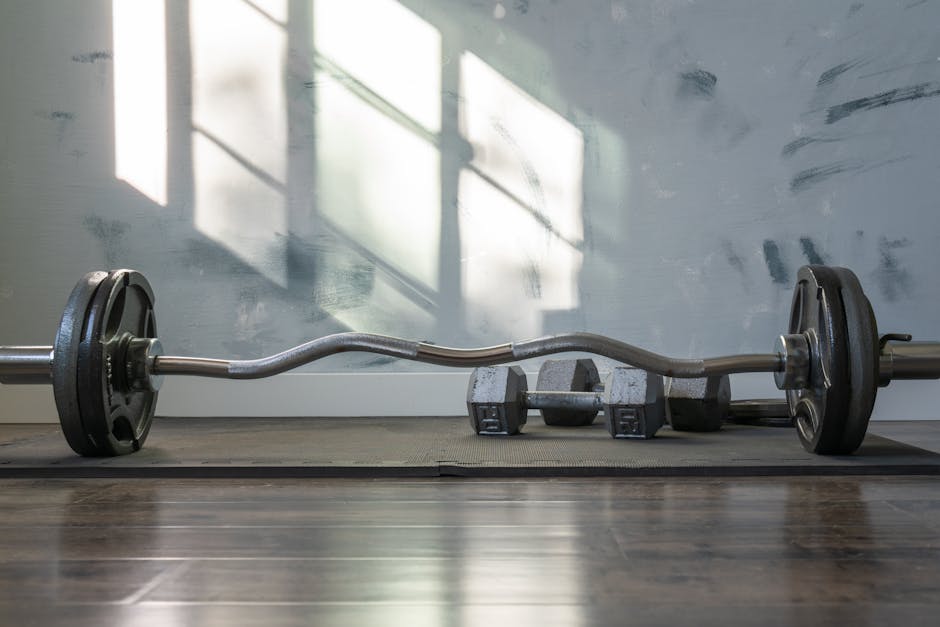
Everyday strength shows up when you lift shopping, place luggage overhead, move furniture or rise from a chair. Andy Carr, who leads fitness at Snap Fitness UK and works as a trainer, says straightforward movements can prepare the body for these tasks. This becomes especially relevant after 30, when muscle, strength and bone density naturally decrease by roughly 3-8% each decade. Consistent strength work can slow that decline.
Carr says two or three weekly sessions may be enough to help, particularly when they include compound movements that train several muscle groups together. Squats develop the thighs, glutes and core used for standing, gardening and lifting from the ground. Step-ups strengthen the legs while developing balance for stairs, hills and curbs. Farmer’s carries train the grip, shoulders and core through a movement similar to transporting loaded shopping bags.
Deadlifts work the glutes, hamstrings and back involved in picking up laundry baskets, suitcases and garden compost. Rows build the arms and upper back needed to open weighty doors or pull a hose, while also supporting posture after prolonged desk sitting. Resistance bands allow row difficulty to change as strength grows. Incline push-ups develop the chest, shoulders, arms and core for pushing carts or doors and rising from the floor. Woodchops strengthen the core for controlled turning during tasks such as reaching into a car or digging in a garden.
- Muscle, strength and bone density decline about 3-8% per decade after age 30.
- Two or three strength sessions each week can help.
- Compound exercises train several muscle groups together.
- Step-ups develop both leg strength and balance.
- Resistance bands make row difficulty adjustable.
Source: Women's Health ↗
Summarized from the reporting above. Read it for the full story.

Our one-page guide to chair height, screen height and where your feet go. Free at the front desk or by request.
A five-minute check of your everyday posture at your desk, in the car, and on your feet. No obligation, no pressure.
Reserve a spot →


Share this story