Three Weekly Habits Helped Strengthen a Runner’s Stride
Runner’s World shares strategies for engaging glute muscles and adding power to faster runs.

A runner found that stronger, more responsive glutes could improve stability, posture, propulsion, and pace. When those muscles do not contribute enough, the hips may dip during each step, the knees may align poorly, and the hamstrings or lower back may take on extra work. That can increase fatigue, waste energy, and raise injury risk. Glute strength is especially useful for hills, trails, and longer distances.
The runner began each run with about 10 minutes of light dumbbell and bodyweight work to prepare the core and glutes. A single-sided activation drill helped build awareness of how to engage one glute at a time. The third habit was regular focused strength work: roughly two or three weekly sessions, using two or three sets of eight to 12 repetitions for each movement. Lateral exercises, particularly lateral lunges, were highlighted for supporting hip stability.
The runner also learned that one exercise does not need to be forced if another creates a clearer glute connection. Classic deadlifts and hip thrusts felt more effective than single-leg Romanian deadlifts, so those became the preferred choices. Over time, the runner noticed a taller posture, less foot dragging, stronger push-offs, steadier uphill running, and less wasted energy while maintaining a faster pace.
- Warm up glutes and core for about 10 minutes before running.
- Strength train glutes two or three times per week.
- Use two or three sets of eight to 12 repetitions per movement.
- Lateral lunges can support stable hips while running.
Summarized from the reporting above. Read it for the full story.

Our one-page guide to chair height, screen height and where your feet go. Free at the front desk or by request.
A five-minute check of your everyday posture at your desk, in the car, and on your feet. No obligation, no pressure.
Reserve a spot →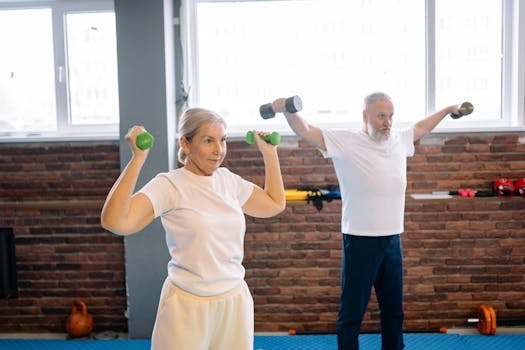

Share this story