Study Links Unfortified Dairy Alternatives to Nutrient Gaps
Researchers at the University of Surrey say iodine deficiency is a particular concern.
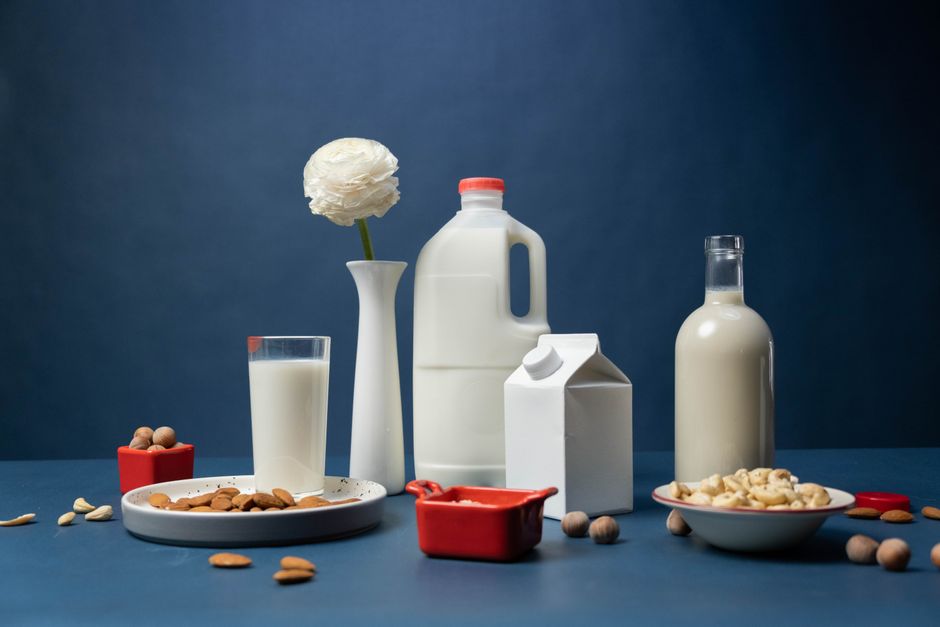
Researchers modeled how replacing milk, yogurt and cheese with store-bought plant-based products could affect micronutrient intake in the United Kingdom. Using National Diet and Nutrition Survey information from more than 3,500 people, ranging in age from 18 months to 100 years, they examined iodine, calcium, riboflavin and vitamin B12. The work, published in The Lancet Planetary Health, considered both partial and complete dairy substitution.
At the fortification levels currently found on the market, replacing 20% to 35% of dairy raised the estimated share of adolescent females with insufficient iodine from 54% to 65%. Among women ages 19–49, the modeled rate increased from 32% to 42%. Complete substitution pushed estimated iodine shortfalls to 80% for adolescent females and 72% for adolescent males. Even relatively small swaps produced substantial reductions across all four nutrients, with iodine responding most sharply.
The researchers also tested possible food-policy approaches. Requiring added micronutrients in dairy alternatives prevented intake declines during substitution, though 59% of adolescent females still had inadequate iodine. Including bread enriched with iodine lowered that figure to 37%. The modeling therefore indicated that combining fortified dairy substitutes with iodine-enriched bread would reduce iodine gaps more effectively than fortifying the substitutes alone. These findings matter because iodine supports thyroid hormone production, metabolism, growth and brain development, and requirements rise during pregnancy.
- Survey data covered more than 3,500 people ages 18 months to 100 years.
- A 20%–35% dairy swap raised modeled iodine inadequacy for adolescent females to 65%.
- Complete replacement put iodine inadequacy at 80% for adolescent females and 72% for adolescent males.
- Fortified alternatives plus iodine-enriched bread reduced adolescent female inadequacy to 37%.
Source: Medical Xpress ↗
Summarized from the reporting above. Read it for the full story.

Our one-page guide to chair height, screen height and where your feet go. Free at the front desk or by request.
A first consultation is free for new patients, including a take-home handout of that day's stretches.
Book a first visit →

Share this story