Sleep Efficiency Often Falls for Men After 40
A simple percentage compares time asleep with time spent in bed trying to sleep.
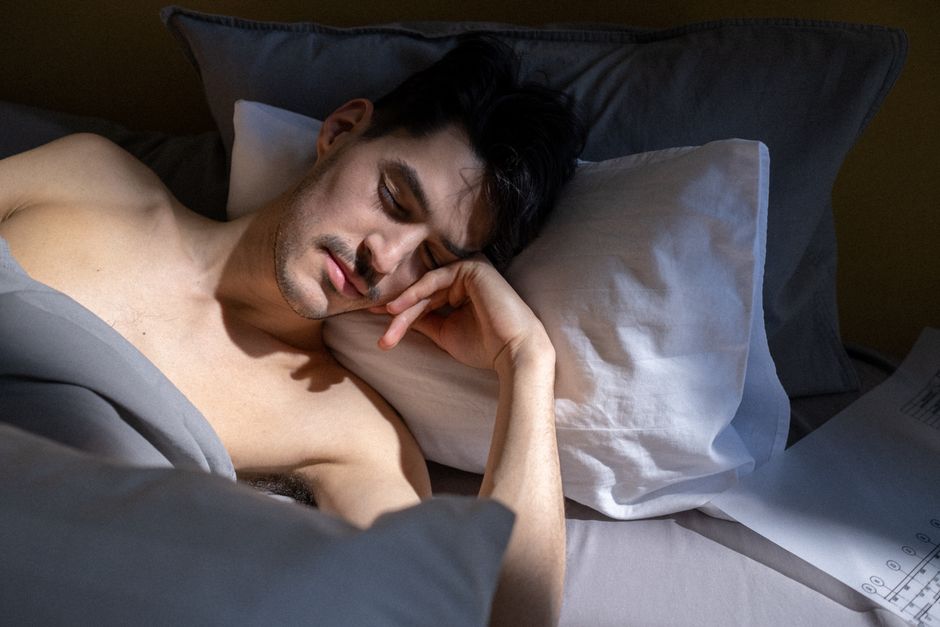
Sleep efficiency commonly weakens during adulthood, with middle age emerging as an important turning point for men. Research cited in the article places typical scores around 89% to 79% between ages 40 and 64. A result below 80% may signal poorer sleep and has been associated with greater mortality risk.
To find the percentage, divide minutes asleep by total minutes in bed, then convert the result to a percentage. Scores around 85% to 90% or higher generally suggest fewer problems falling or remaining asleep. But a strong score does not guarantee enough rest: someone sleeping only five hours could be asleep for most of that time and still fall short of the recommended minimum of seven hours.
Pain, troubling dreams, sleep medicines and certain health conditions can all affect the measure. Trackers may provide clues about sleep patterns, surroundings, caffeine, stress and other health signals. Persistent trouble falling or staying asleep, repeated awakenings or heavy daytime sleepiness can warrant medical evaluation, especially when symptoms continue beyond three months. Snoring, gasping or pauses in breathing during sleep are signs linked with sleep apnea.
- Scores commonly decline from 89% to 79% in middle age.
- A score under 80% may indicate poor sleep efficiency.
- Sleep trackers can monitor movement, temperature and blood oxygen.
- Sleep apnea signs include snoring, gasping or breathing pauses.
Summarized from the reporting above. Read it for the full story.

Our one-page guide to chair height, screen height and where your feet go. Free at the front desk or by request.
A first consultation is free for new patients, including a take-home handout of that day's stretches.
Book a first visit →


Share this story