Seven Stretches May Ease Common Menopause Symptoms
Experts point to a simple habit for hot flashes and mood swings.

Menopause can bring disrupted sleep, fatigue, brain fog, emotional changes, anxiety, stress, hot flashes, night sweats, and painful or stiff joints. As estrogen levels decline, these physical and mental effects can make ordinary routines more difficult. Gentle movement may provide some relief while also supporting healthy aging.
The seven-part routine addresses specific needs: rotating the upper spine for back and upper-body stiffness; opening tight hips; using a restful pose to settle before sleep; stretching the glutes and hips for discomfort around the hip joint; releasing the chest and shoulders; easing a neck and shoulder area made sore by stress; and practicing cooling breaths during hot flashes. The breathing exercise may also reduce anxious or stressed feelings.
Research indicates that movement and mind-body methods may improve sleep, stress, anxiety, and tiredness during menopause. Results may vary from one session to another, so stretching is presented as one supportive option rather than a complete solution. Balanced eating, cardio, strength work, sufficient sleep, and stress management remain part of a healthy routine. Stretching also does not take the place of discussing persistent symptoms and possible treatments with a doctor.
- The routine includes seven movements and breathing practices.
- Targets include the upper spine, hips, glutes, chest, shoulders, and neck.
- Cooling breaths may soothe hot-flash sensations, stress, and anxiety.
- Stretching may support sleep and ease fatigue, stiffness, and tension.
Summarized from the reporting above. Read it for the full story.

Our one-page guide to chair height, screen height and where your feet go. Free at the front desk or by request.
A five-minute check of your everyday posture at your desk, in the car, and on your feet. No obligation, no pressure.
Reserve a spot →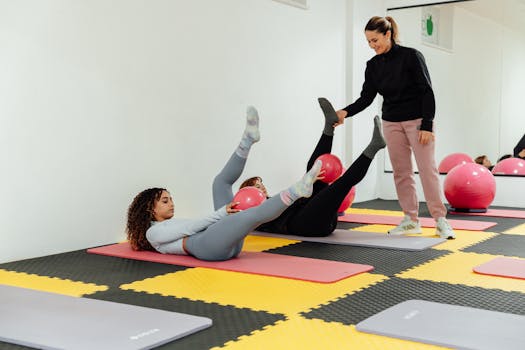

Share this story