Restful sleep hinges on quality and consistent timing
Experts say personal needs, daytime alertness and effective insomnia care matter more than chasing one nightly target.
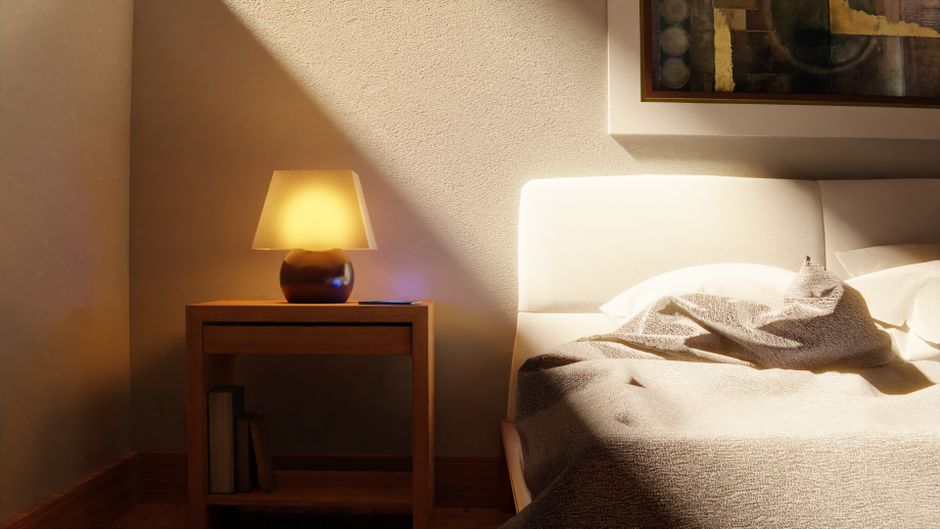
Better rest depends on a dependable rhythm and how restored someone feels, not simply reaching eight hours. General guidance for adults remains seven to nine hours, though RAND sleep specialist Wendy Troxel says individual needs differ. A study published in Sleep in 2023 linked stable bedtimes and rising times with longevity. The likelihood of death from any cause was 48 percent lower among people with regular schedules than among those whose timing varied. Schedule stability was also more closely tied to longevity than total sleep duration.
Shelby Harris of Sleepopolis says repeated alarms disturb the closing portion of sleep and may increase morning fogginess. She favors one alarm, while gradual light or gentle music can provide another waking cue. A quiet, cool, dark room and reduced screen exposure still support rest, but Chicago sleep specialist Julia Kogan says these measures cannot treat persistent insomnia alone. Cognitive behavioral therapy for insomnia is the preferred treatment. It may address time spent awake in bed, naps and anxious beliefs about sleep.
Nutrition and daily experience offer additional clues. Columbia University specialist Marie-Pierre St-Onge favors fiber-rich plant foods, healthy fats, lean proteins and dairy over relying on supplements alone. Morning refreshment, daytime attentiveness and falling asleep within 20 minutes can reveal more than an app or wearable. Sleeping separately is also less stigmatized. One in three couples do so sometimes or regularly, and Troxel says shared time before retiring can help maintain closeness.
- Adult sleep guidance remains seven to nine hours.
- The schedule research appeared in Sleep in 2023.
- CBT-I targets persistent insomnia with sleep-specific techniques.
- One in three couples sleep separately at least sometimes.
Summarized from the reporting above. Read it for the full story.

Our one-page guide to chair height, screen height and where your feet go. Free at the front desk or by request.
A five-minute check of your everyday posture at your desk, in the car, and on your feet. No obligation, no pressure.
Reserve a spot →


Share this story