Rest-Pause Training Helps Extend Workouts
The method lets you keep working after reaching failure without reducing the load.
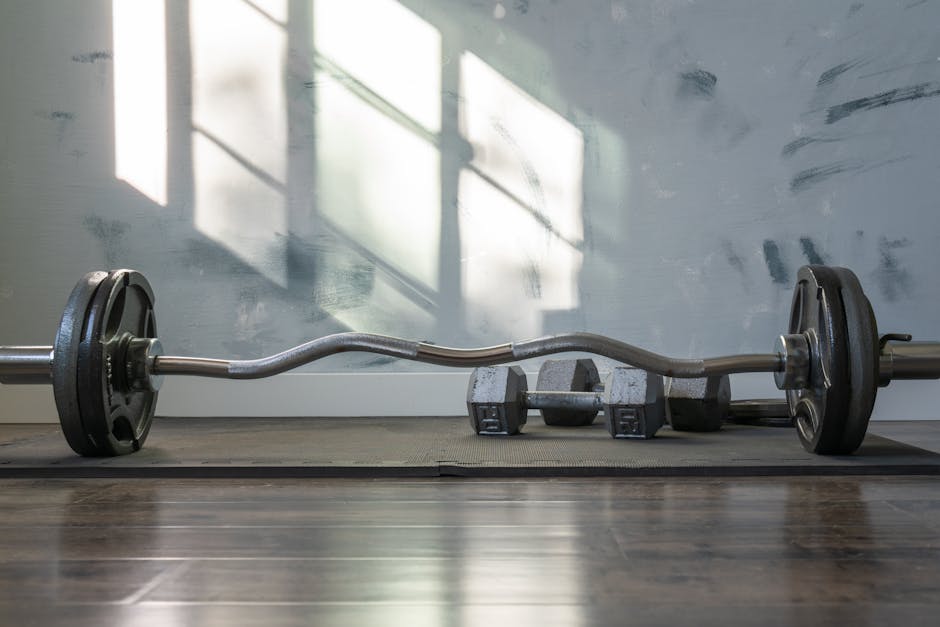
Rest-pause training adds a brief break after technical failure—the point when another repetition cannot be completed with sound form. After resting five to 15 seconds, the lifter continues with the same load and may manage two to four additional repetitions. The cycle can be repeated, although a single extra round is considered a reasonable place to begin. Pauses beyond 20 seconds start to resemble an ordinary rest interval.
The method increases the number of demanding, well-executed repetitions performed near the end of a set. Those efforts provide more muscular tension, which supports growth over time. It can be used by lifters at any level, but it may be particularly valuable for experienced people whose strength and muscle progress has slowed. In a small study, 18 trained lifters followed either traditional or rest-pause sets for six weeks at an equal relative load. Strength improved similarly in both groups. The rest-pause participants, however, had larger gains in thigh thickness and better muscular endurance on the leg press.
Because the technique is exhausting, it is generally reserved for the last set of one exercise, often the final movement of a workout. Machines, supported exercises such as chest-supported rows, and single-joint free-weight movements such as dumbbell curls are suitable options. A capable spotter should be present when it is used for the bench press or back squat. Unlike drop sets, rest-pause work keeps the load unchanged. Cluster sets instead schedule short breaks to reach a planned repetition total, while forced repetitions depend on assistance from a spotter.
- Rest five to 15 seconds after technical failure.
- Expect roughly two to four more repetitions.
- Pauses longer than 20 seconds approach a standard rest interval.
- The study included 18 experienced lifters over six weeks.
- Use a good spotter for bench presses or back squats.
Source: Men's Health ↗
Summarized from the reporting above. Read it for the full story.

Our one-page guide to chair height, screen height and where your feet go. Free at the front desk or by request.
A first consultation is free for new patients, including a take-home handout of that day's stretches.
Book a first visit →


Share this story