PMOS Name Change Highlights Gaps in Women’s Care
The condition affects one in eight women worldwide, yet diagnosis can take years.
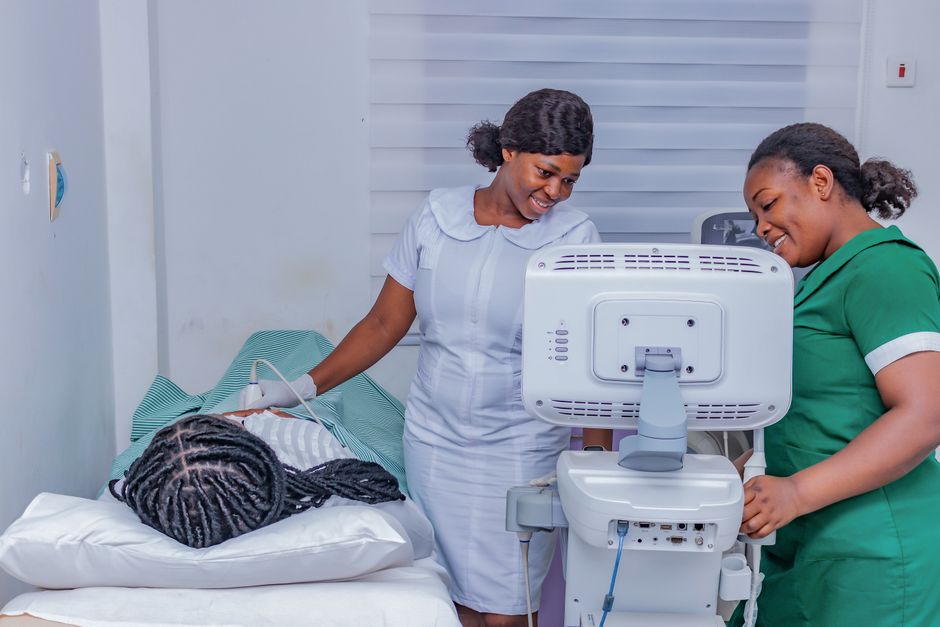
Polyendocrine metabolic ovarian syndrome, formerly called PCOS, now has a name meant to reflect its effects across the body. The condition affects one in eight women worldwide, and many people who have it do not have polycystic ovaries. Symptoms can include irregular periods, acne, facial hair, weight changes and abnormal blood glucose levels.
Care remains difficult to access and unevenly understood. In Equip and Women’s Health research, more than 21 percent of respondents said they waited over five years after symptoms began before receiving a diagnosis. In two-thirds of cases, patients—not doctors—raised the possibility of PMOS. Hormonal birth control can also make periods regular and reduce testosterone, potentially hiding signs clinicians use when evaluating the condition.
Specialists say primary care doctors and other clinicians need stronger training so patients are not left waiting for scarce reproductive endocrinology appointments. One specialist’s waitlist exceeds a year. Earlier attention could also include screening adolescents with a family history, monitoring menstrual patterns, and checking for prediabetes, diabetes and cardiovascular risks.
- The World Health Organization estimates 70 percent of people with PMOS are unaware.
- Diagnosis requires two of three recognized clinical features.
- PMOS was renamed this past spring.
- A reproductive endocrinology waitlist exceeds one year.
Summarized from the reporting above. Read it for the full story.

Our one-page guide to chair height, screen height and where your feet go. Free at the front desk or by request.
A five-minute check of your everyday posture at your desk, in the car, and on your feet. No obligation, no pressure.
Reserve a spot →

Share this story