Exercise and Social Ties Support Long-Term Brain Health
Researchers link several changeable habits and health conditions with a lower likelihood of dementia.
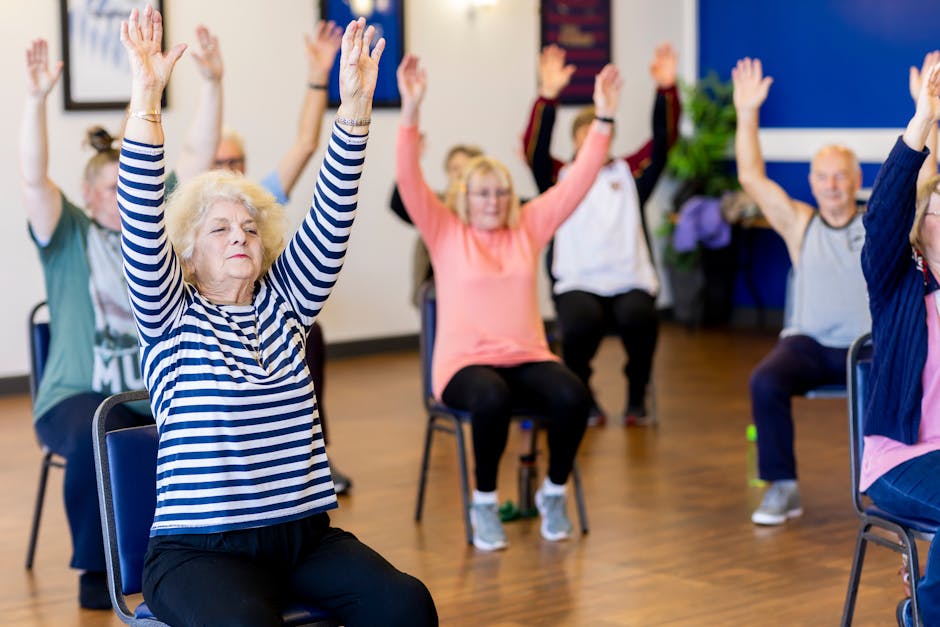
Regular movement stands out among the everyday factors tied to healthier thinking as people age. Federal guidance sets a weekly target of 150 minutes of activity at moderate or higher intensity. Research has connected fitness with stronger performance on cognitive tests, while exercise studies report gains in memory, attention, verbal skills and planning. Walking, aerobic workouts, strength work, yoga and Pilates may offer somewhat different mental benefits.
Cardiovascular care also supports the blood vessels that nourish the brain and clear waste. Dementia risk is higher among people with elevated blood pressure, excess LDL cholesterol or diabetes. Annual medical visits can help track those conditions. Mediterranean-style and MIND eating patterns emphasize leafy greens, berries, nuts and other plant foods while limiting red meat. These foods contain protective plant compounds associated with lower cellular stress.
Relationships matter, too. Contact with relatives and friends was associated with more gradual memory loss, while greater loneliness was tied to faster declines in broader thinking and mental management. Community volunteering may combine social contact with a sense of purpose. In a 15-year study of more than 13,000 people, having purpose was linked to a 28 percent lower chance of cognitive decline. Together, The Lancet’s 14 adjustable risk factors were associated with a possible 45 percent reduction in dementia risk.
- Inactive adults reported cognitive decline nearly twice as often in a 2020 study.
- A 2024 review found cognitive benefits across several areas.
- High LDL and impaired vision are the latest additions to The Lancet list.
Summarized from the reporting above. Read it for the full story.

Our one-page guide to chair height, screen height and where your feet go. Free at the front desk or by request.
A five-minute check of your everyday posture at your desk, in the car, and on your feet. No obligation, no pressure.
Reserve a spot →

Share this story