Dietitians Share 18 Plant-Based Swaps for Every Meal
The ideas are designed to add more plants to everyday eating.
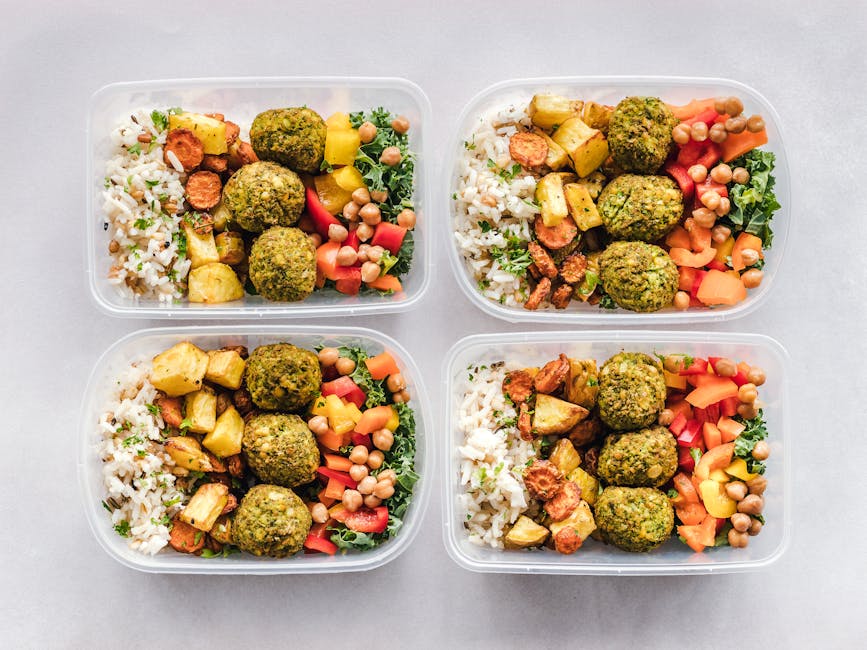
The 18 swaps show how familiar meals can include a wider mix of plant foods without becoming entirely vegetarian or vegan. Produce, pulses, intact grains, seeds, nuts, tofu and similar proteins supply fiber, micronutrients and beneficial compounds. Greater variety matters because different plants provide different nutrients. These foods are associated with heart and digestive health, immune function, brain health, a balanced gut microbiome, inflammation control and lower diabetes risk.
Breakfast ideas include pairing unsweetened plain Greek yogurt with seasonal fruit such as grapes or pomegranate arils, blending soft or silken tofu into smoothies, and mixing hemp hearts into overnight oats. Cooked shelled edamame can join mashed avocado on toast, while fortified unsweetened soy drinks can replace dairy milk in cereal. Pumpkin puree brings vitamin C and beta-carotene to pancakes. Tender greens—including arugula and young spinach or kale—can also be folded into eggs.
The meal ideas continue with refrigerated raw or unpasteurized sauerkraut on sandwiches, roasted red peppers blended into dressings, soups or sauces, and cherries added to grain bowls, vegetables, poultry or lamb. Wheat berries can make leafy salads more substantial while contributing fiber, magnesium and folate. Nutritional yeast gives soup a cheese-like flavor along with protein and vitamin B12. Protein at breakfast also supports daily protein intake and lean muscle, which naturally declines with age and is important for remaining active and aging healthfully.
- The guide includes 18 swaps across everyday meals.
- Fortified soy drinks can provide calcium, vitamin D and protein.
- Raw or unpasteurized refrigerated sauerkraut retains live probiotics.
- Frozen cherries are sold year-round, already pitted and usually cost less than fresh.
- Tofu supplies protein, calcium, magnesium and phosphorus.
Source: Prevention ↗
Summarized from the reporting above. Read it for the full story.

Our one-page guide to chair height, screen height and where your feet go. Free at the front desk or by request.
A five-minute check of your everyday posture at your desk, in the car, and on your feet. No obligation, no pressure.
Reserve a spot →


Share this story