Dietitians Share 10 Easy Ways to Get More Fiber
The guide explains daily fiber goals and why the nutrient supports healthy aging.
Fiber remains a gap in many diets: more than 90% of Americans fall below their daily needs. Dietitian Caroline Thomason suggests using 14 grams per 1,000 calories as a general target. At roughly 2,000 calories, that works out to about 28 grams each day, matching the daily value commonly shown on nutrition labels.
The nutrient supports digestion, longer-lasting fullness, healthy cholesterol levels and steadier blood sugar. Research also connects adequate fiber intake with lower risks of heart disease, certain cancers—including colorectal, pancreatic and ovarian cancers—and death from any cause. Eating different kinds of fiber-rich foods may also support gut health while providing other nutrients important for overall health and healthy aging.
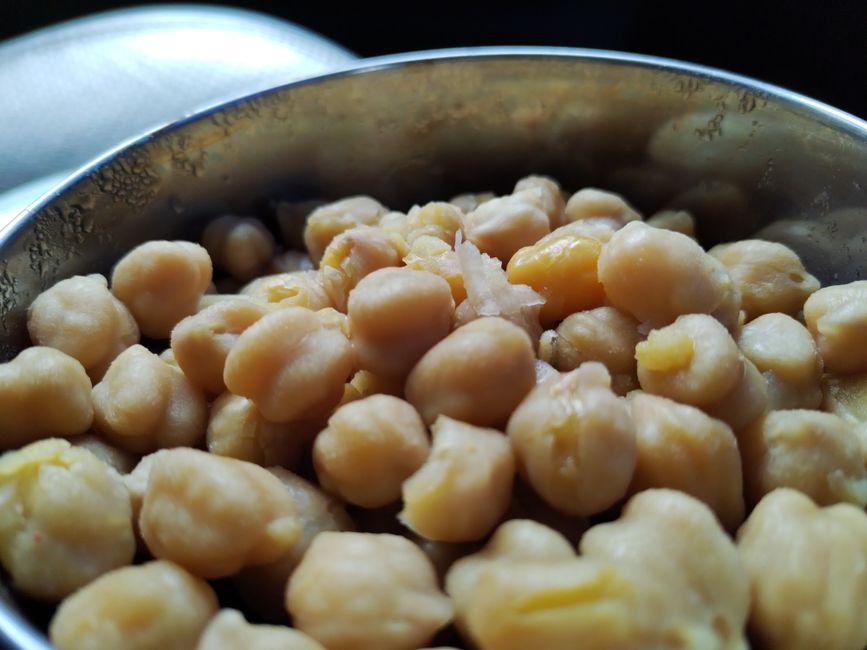
Dietitians point to several simple options. Two tablespoons of chia seeds provide about 10 grams; half a cup of beans offers 7 to 10 grams; and one cup of raspberries or edamame supplies 8 grams. Half a cup of lentils has nearly 7 grams, while a medium pear eaten with its skin provides 5.5 grams. A cup of cooked broccoli contributes 5 grams, with the stems adding another useful source. These foods can fit into meals, snacks, smoothies, salads, soups and other familiar dishes.
- Aim for 14 grams of fiber per 1,000 calories.
- About 2,000 calories corresponds to roughly 28 grams of fiber daily.
- Two tablespoons of chia seeds provide about 10 grams of fiber.
- A cup of raspberries or edamame contains 8 grams of fiber.
Source: Prevention ↗
Summarized from the reporting above. Read it for the full story.

Our one-page guide to chair height, screen height and where your feet go. Free at the front desk or by request.
A first consultation is free for new patients, including a take-home handout of that day's stretches.
Book a first visit →


Share this story