Diabetes Remission Study Points to a Less Extreme Option
Experts caution that the approach tied to the result may not suit everyone.
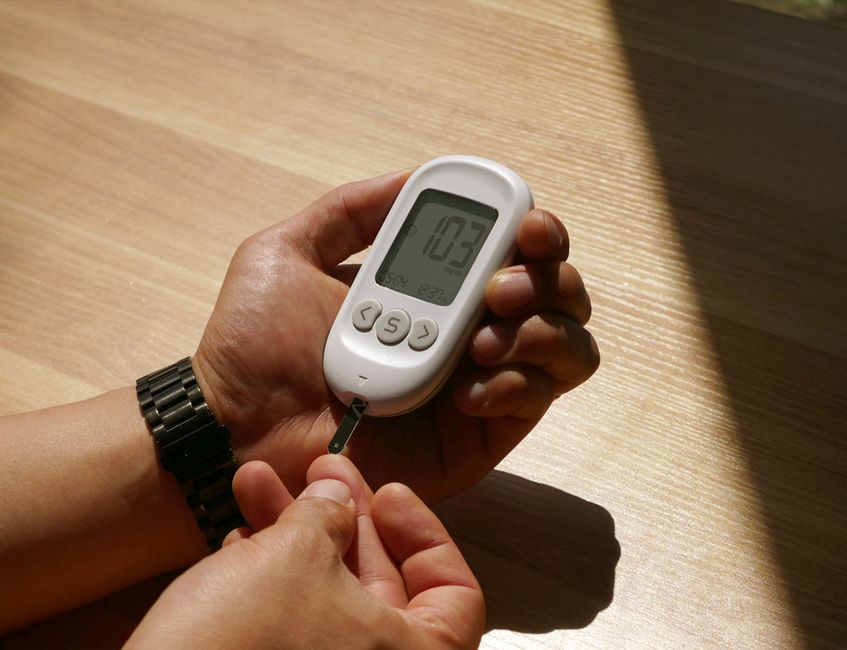
A trial involving 96 adults ages 18 to 45 tested whether food restriction plus exercise could bring type 2 diabetes into remission. Participants had obesity and had received an early-onset type 2 diagnosis during the previous six years; none managed the condition with insulin. Research took place at three centers across England and Canada.
Usual diabetes care continued for one group. The other group spent 12 weeks eating 800 to 900 calories daily, divided among 30% protein, 50% carbohydrates and 20% fat. They completed supervised aerobic and strength sessions twice weekly and were assigned another workout independently. For the following 12 weeks, they exercised without supervision and switched to eating intended to maintain their weight loss.
After 24 weeks, remission was reached by 27 of the 50 program participants, or 54%, compared with two people receiving usual care, or 4%. Remission meant A1C was below 6.5% and remained there without medication. The combined program was associated with 21 times the likelihood of remission. Average weight loss was 18.5 pounds in the program group versus 2.6 pounds with usual care. Researchers found the combination reduced fat while protecting muscle, an important consideration when exercise is paired with weight loss.
The regimen was demanding: 86% of those following it experienced notable effects such as dizziness, constipation, headaches or sensitivity to cold. Jessica Cording said such severe calorie restriction generally belongs in medically supervised settings. Follow-up lasted six months, so David Cutler said the durability of remission was not established. Kaberi Dasgupta considered comparable outcomes possible with a milder diet, while Cording said a smaller calorie reduction could take longer but may be more comfortable and sustainable. Although nobody over 45 participated, Cording believed older adults might also achieve remission, potentially with a different timeline or outcome.
- 96 participants were ages 18 to 45.
- The program allowed 800 to 900 calories daily for 12 weeks.
- Remission reached 54% with the program versus 4% with usual care.
- Program participants lost 18.5 pounds on average over 24 weeks.
- Significant adverse effects affected 86% of the program group.
Source: Prevention ↗
Summarized from the reporting above. Read it for the full story.

Our one-page guide to chair height, screen height and where your feet go. Free at the front desk or by request.
A first consultation is free for new patients, including a take-home handout of that day's stretches.
Book a first visit →


Share this story