Creatine’s Possible Mental-Health Benefits Under Review
The supplement has moved from a fitness niche into widespread use.

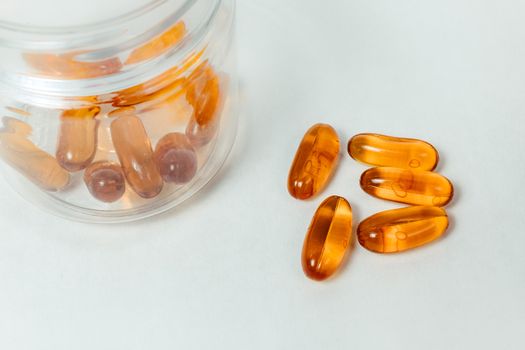
Creatine is made naturally by the body and is also present in meat and fish such as salmon, tuna, cod and herring. It supplies energy, mainly to working muscles, though the brain stores a smaller share. The brain represents only 2% of body weight but consumes 20% of the body’s energy, particularly during demanding mental activity. Reduced brain energy may influence mood-related chemicals, and depression has been associated with lower creatine levels in the brain’s frontal region.
Some large studies have linked greater creatine consumption with lower depression rates. Teenagers with treatment-resistant depression experienced mood improvements when supplementation was added to their regular medication. People with bipolar disorder also reported symptom improvement when creatine accompanied their usual medicine. However, a systematic review covering five trials and 238 patients produced mixed results: two trials found benefits, while three did not. The studies were small and differed in dose, duration, and whether creatine was tested alone or alongside antidepressants or psychotherapy.
Cognitive research has also examined creatine during sleep deprivation. In one study, 15 healthy participants received a single dose of about 25 g. Scans indicated that lost brain creatine was replenished and used, while participants performed better on short-term memory, reaction-speed, and information-processing tasks than those who received none. The finding remains too limited to establish creatine as a response to poor sleep. Across mental and cognitive health research, the evidence is not conclusive, and researchers still need to determine an effective duration, an appropriate brain-focused dose, and whether such dosing is safe.
- Five trials included 238 patients; two found benefits and three did not.
- A sleep-deprivation study involved 15 healthy participants.
- The single dose in that study was about 25 g.
- Effective dose, treatment length, and safety remain unsettled.
Source: Medical Xpress ↗
Summarized from the reporting above. Read it for the full story.

Our one-page guide to chair height, screen height and where your feet go. Free at the front desk or by request.
A first consultation is free for new patients, including a take-home handout of that day's stretches.
Book a first visit →
Share this story