Bicycling Examines Six Max Heart Rate Myths
The piece separates fact from fiction about the metric for cyclists of all ages.
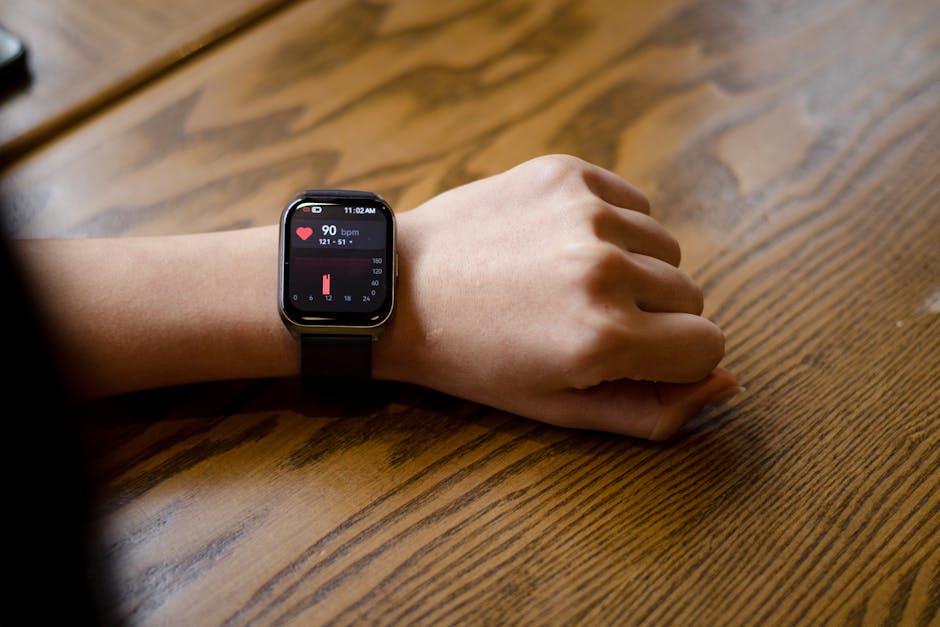
Maximum heart rate can help cyclists gauge effort, but the familiar age-based shortcut is only a rough estimate. The “220 minus your age” method dates to 1970 and drew on a broad mix of people; it can read too high for younger adults and too low for older ones. Alternatives such as Tanaka’s equation—208 minus 0.7 times age—and the Gelish equation—207 minus 0.7 times age—may be somewhat closer, though fitness, heat and stress can still shift the result.
Your maximum is shaped largely by genetics and generally cannot be trained upward. It also is not a score of athletic ability: people with different maximums can perform at similar levels. Maximum heart rate declines with age, while training and nutrition have a greater effect on performance. Heart rate also trails behind the work being done, so a steady power output can produce a rising pulse. Heat, inadequate fueling and caffeine can further distort daily readings, and wearable or treadmill numbers may not be exact.
Most people can sustain their maximum for only one or two minutes, with highly trained athletes sometimes lasting longer, so these efforts belong in training sparingly. Lower-intensity riding, lactate-threshold work and anaerobic efforts each have a place. Heart attacks are uncommon but can occur at different workloads; people with heart disease or related risk factors should discuss safe exercise ranges with a doctor. A cycling maximum may also differ from a running maximum because running requires more work against gravity. An EKG or cardiopulmonary exercise test can provide a more precise measurement.
- The 220-minus-age formula was developed in 1970.
- Tanaka equation: 208 minus 0.7 times age.
- Most people sustain maximum heart rate for one to two minutes.
- EKG and cardiopulmonary exercise testing can measure it more precisely.
Source: Bicycling ↗
Summarized from the reporting above. Read it for the full story.

Our one-page guide to chair height, screen height and where your feet go. Free at the front desk or by request.
A first consultation is free for new patients, including a take-home handout of that day's stretches.
Book a first visit →


Share this story