Animal and Plant Protein Linked to Different Testosterone Levels
A study of more than 2,500 men found different associations for dairy-based and plant protein.
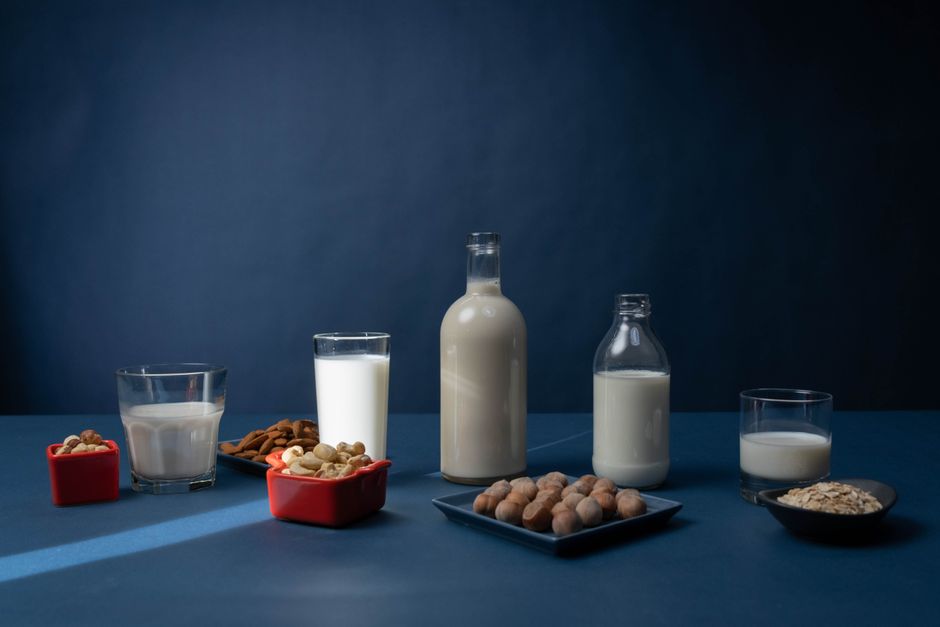
Researchers at the University of Eastern Finland examined diet and hormone measurements from 2,546 men aged 42 to 60 living in eastern Finland. The men, part of the Kuopio Ischaemic Heart Disease Risk Factor Study, recorded four days of food intake between 1984 and 1989. Blood samples were used to measure testosterone and sex hormone-binding globulin, or SHBG.
Men with the greatest animal-protein intake had total testosterone levels averaging 1.2 nmol/l below those of men with the lowest intake. The pattern reversed for plant protein: the highest-intake group averaged 1.1 nmol/l more testosterone than the lowest. The same broad contrast appeared in SHBG, even after researchers considered age, body mass index, and other diet, lifestyle, and health factors.
The source of protein mattered within those categories. Dairy intake was tied to lower testosterone and SHBG, while protein from vegetables and non-cereal plant foods was linked with higher total testosterone. Meat intake was associated with lower SHBG but not with total testosterone. Testosterone supports muscle mass, bone health, and sexual function, but the differences here were small, and the study cannot show that protein caused them. Because food intake and hormone levels were assessed at one point rather than tracked through changes, it also cannot determine whether different protein choices alter testosterone production or how the hormone works.
- 2,546 men aged 42–60 took part.
- Food intake was recorded for four days between 1984 and 1989.
- Animal protein: 1.2 nmol/l lower average total testosterone.
- Plant protein: 1.1 nmol/l higher average total testosterone.
- Dairy and plant sources showed different hormone associations.
Source: ScienceDaily: Nutrition ↗
Summarized from the reporting above. Read it for the full story.

Our one-page guide to chair height, screen height and where your feet go. Free at the front desk or by request.
A five-minute check of your everyday posture at your desk, in the car, and on your feet. No obligation, no pressure.
Reserve a spot →


Share this story