A Step-by-Step Guide to Replacing a Bike Chain
The home repair guide covers measuring, removing, and installing a new chain.
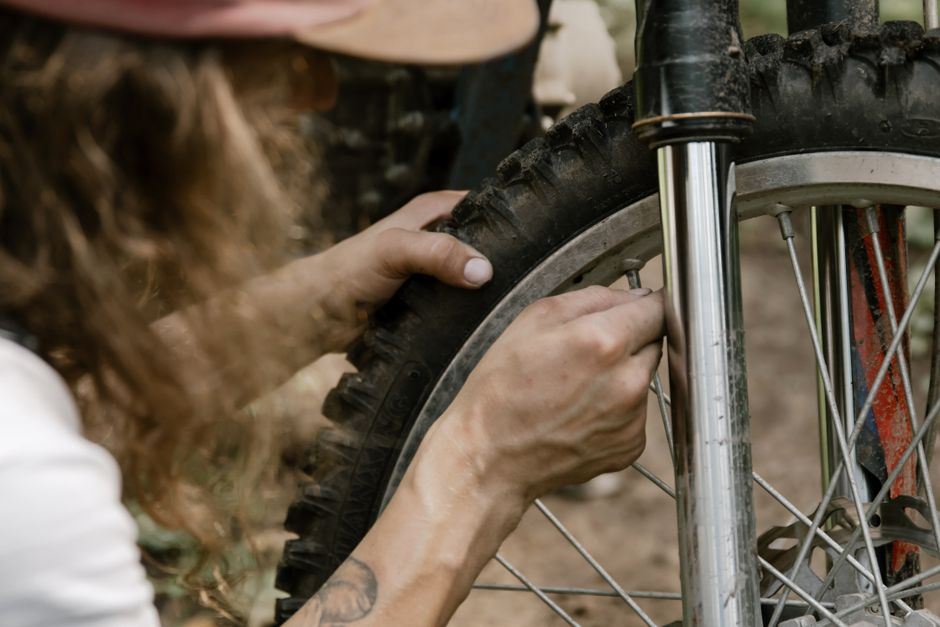
Chain replacement is a manageable home-maintenance job, particularly when the old chain remains available as a sizing reference. Familiarity with derailleur adjustment, chain-wear gauges, and pre-ride inspections can make the work easier, though none is essential. As a chain ages, its links gradually become longer. That change increases strain on cassette cogs and chainring teeth, speeds their wear, and reduces shifting quality. A common starting point is replacement after 2,000 miles, but actual wear varies by rider. Periodic measurements provide a more dependable signal: with the upper chain held tight by pedal pressure, the gauge indicates whether replacement is due.
The replacement must first match the bike’s drivetrain width, which depends on cassette cog count. Six-speed and eight-speed bikes use an identical chain width, while nine-speed systems require another size. Matching the original chain is the simplest approach; an alternative is one made by the same manufacturer. If the installed chain includes a master link, master-link pliers can compress and release it, and some newer links may separate by hand. Without one, a chain breaker pushes a connecting pin through far enough to free the chain. Its tool pin must remain straight during this process to avoid bending.
After removal, the old and new chains are placed together to establish the required length, with the master link included in that calculation. A chain breaker removes the replacement chain’s surplus links. The shortened chain is then routed around the cassette and chainring. Its two ends are joined with the master link, which is checked to confirm that it is fully locked. The same basic chain-breaking task is also used when taking out a damaged link during a ride, although a full-size tool is better suited to home work and a compact version to midride repairs.
- 2,000 miles is a general replacement starting point.
- Six-speed and eight-speed bikes share a chain width.
- Cassette cog count determines the required chain width.
- A chain-wear gauge indicates when replacement is due.
Source: Bicycling ↗
Summarized from the reporting above. Read it for the full story.

Our one-page guide to chair height, screen height and where your feet go. Free at the front desk or by request.
A first consultation is free for new patients, including a take-home handout of that day's stretches.
Book a first visit →

Share this story